

When Nasal Congestion Turns Into Sinus Trouble
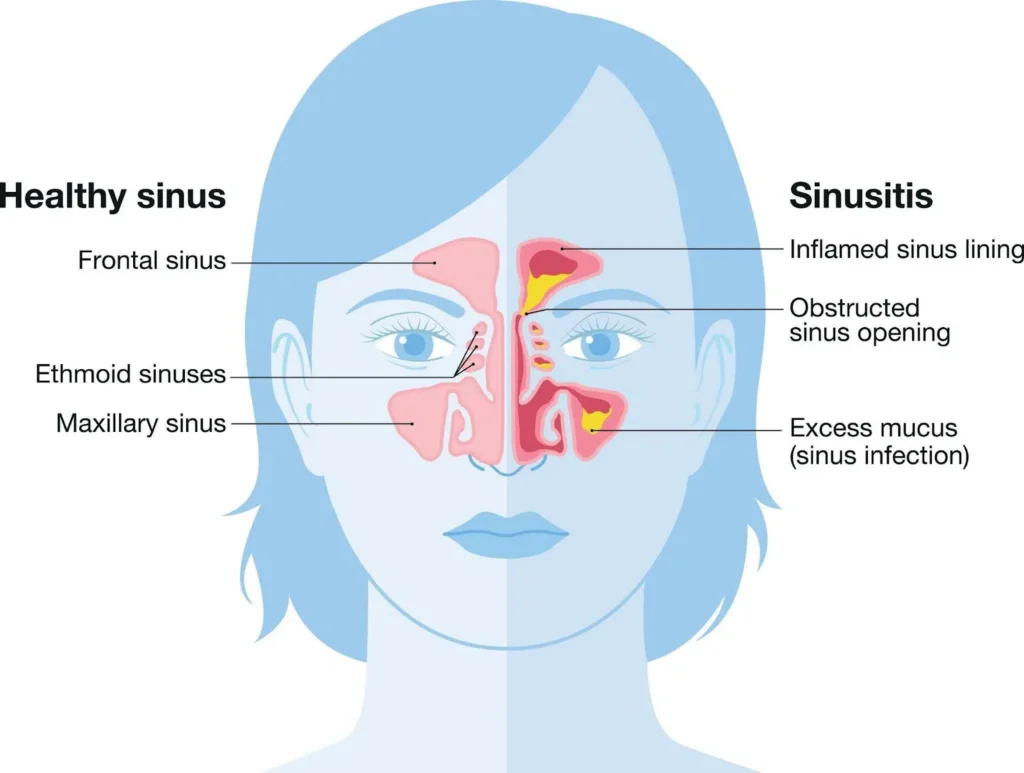
Sinusitis is an inflammation or swelling of the sinus cavities, the hollow spaces in the skull around the nose, forehead, and cheeks. When the sinuses become blocked due to infection, allergies, or irritation, mucus builds up and causes pressure, pain, and difficulty breathing.
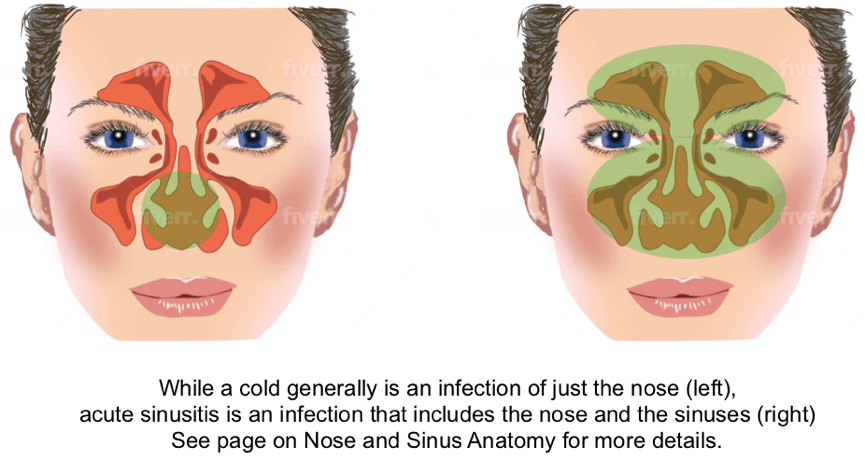
Sinusitis can be acute (short-term), usually caused by infections like colds, or chronic (long-lasting), lasting for months or even years due to recurring inflammation or structural blockages. The condition often worsens in cold weather, dust exposure, or pollution.
Root Causes of Sinusitis
Sinusitis usually develops after a viral or bacterial infection, especially following a common cold or flu. It can also occur due to dust or pollen allergies, exposure to pollution or cold air, a weak immune system, smoking, or consuming cold foods and drinks frequently. In some individuals, structural issues like a deviated nasal septum can also trigger sinus blockage.
Where Sinusitis Hits the Most
Sinusitis affects the respiratory system, particularly the paranasal sinuses and nasal passages. The sinus lining becomes inflamed and swollen, leading to blockage of airflow and difficulty in breathing. Because the sinuses are connected to the nose and throat, the infection can also affect the sense of smell and cause irritation in the throat.
How Sinusitis Affects Your Daily Health
If not managed, sinusitis can cause continuous nasal blockage, headache, pressure around the eyes and forehead, post-nasal drip, coughing, disturbed sleep, and fatigue. Severe or repeated sinusitis can reduce the sense of smell or taste and may lead to long-term breathing discomfort, especially during seasonal changes.
What Today’s Statistics Reveal
| After a cold/flu | Duration | Who Gets It Most | Common Trigger |
| Acute | Less than 4 weeks | Dust/weather change | Viral infection |
| Subacute | 4–12 weeks | Dust/weather change | Dust / weather change |
| Chronic | 12+ weeks or recurring | Allergy-prone individuals | Pollution / structural blockage |
Leave a Reply