
Understanding Heart Blockage: A Closer Look
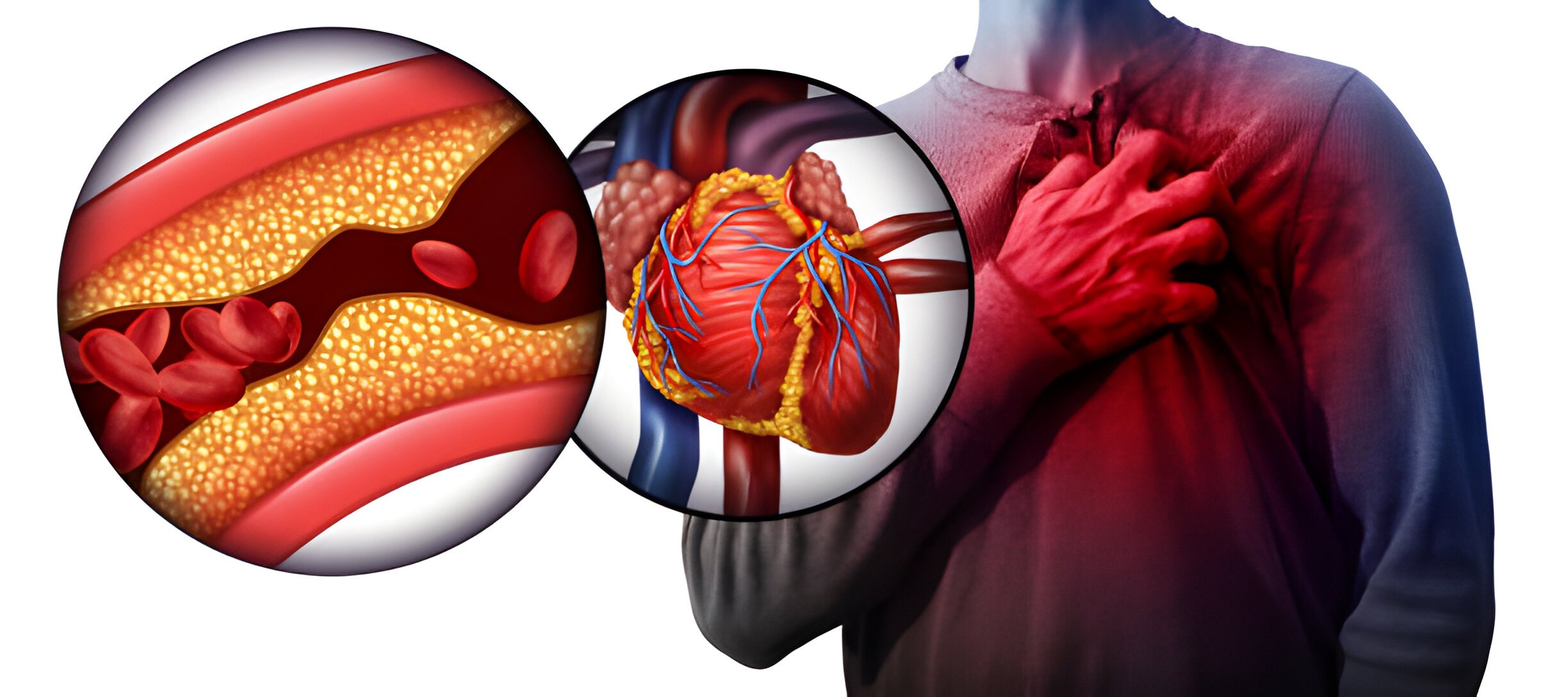
Heart blockage is a condition in which the arteries supplying blood to the heart become narrow or blocked due to the buildup of plaque, a mixture of fat, cholesterol, and other substances. When these arteries get partially or completely blocked, the heart does not receive enough oxygen and nutrients, leading to chest pain, shortness of breath, or even a heart attack.
Why Heart Blockage Develops
The main cause of heart blockage is atherosclerosis, a gradual hardening and narrowing of the arteries. Several factors contribute to this:
- High cholesterol leading to fat deposits in the arteries
- High blood pressure that damages artery walls
- Smoking and alcohol, which weaken blood vessels
- Unhealthy diet rich in oily, fried, or junk foods
- Stress and lack of sleep increase heart strain
- Diabetes, which damages blood vessels over time
- Lack of physical activity results in poor blood circulation
The Primary Organ Under Strain
Heart blockage directly affects the cardiovascular system, particularly:
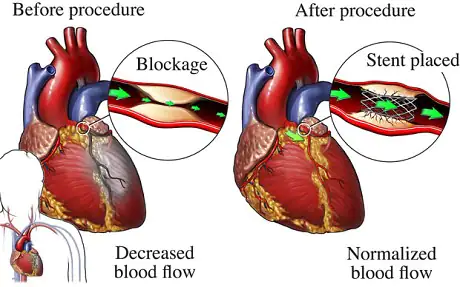
- Coronary arteries, which become narrowed or blocked
- Heart muscles, which receive less oxygen and nutrients
- In severe cases, a complete blockage can lead to a heart attack
How Heart Blockage Impacts Your Health
If not treated in time, heart blockage can lead to serious complications such as:
- Persistent chest pain (angina)
- Shortness of breath and fatigue
- Irregular heartbeat or palpitations
- Heart attack (myocardial infarction)
- Heart failure in long-term cases
- In extreme cases, sudden cardiac death
What Current Studies Reveal About Heart Blockage
Heart blockage cases are rapidly increasing in India due to changing lifestyles, dietary habits, and rising stress levels.
| Age Group | Estimated Risk | Common Cause |
| 30–45 years | 25% | Stress & Poor Diet |
| 45–60 years | 45% | High BP & Cholesterol |
| 60+ years | 60% | Aging & Artery Weakness |
According to the World Health Organization (WHO), cardiovascular diseases are the leading cause of death in India, and coronary artery blockage is one of the most common underlying reasons.
Steps to Reduce the Risk of Heart Blockage
Preventing heart blockage requires adopting a balanced lifestyle and maintaining heart-friendly habits:
- Engage in daily physical activity for at least 30 minutes
- Completely avoid smoking and alcohol
- Include fresh fruits, salads, and fiber-rich foods in your diet
- Limit fried, processed, and oily foods
- Practice stress management through meditation or yoga
- Go for regular health check-ups (BP, cholesterol, sugar levels)
A Heart-Friendly Daily Routine
- Start your morning with lukewarm water
- Practice light yoga or brisk walking daily
- Eat balanced, low-fat meals
- Stay hydrated throughout the day
- Get adequate rest and sound sleep
- Add natural Ayurvedic heart support to your routine for long-term wellness
According to Ayurveda, heart blockage occurs due to an imbalance in the Rakt Dhatu (blood tissue) and Sira Marma (vital channels).
YTM India’s Hridu Rakshak Ras acts as a natural Ayurvedic support for maintaining heart health and preventing blockages.
It is made with powerful ingredients like Arjun, Garlic (Lahsun), Dry Ginger (Saunth), Lemon, Apple Cider, and Honey, which:
- Help reduce arterial blockages naturally
- Maintain healthy blood pressure and cholesterol
- Strengthen the heart muscles
- Improve blood circulation
- Enhance overall energy and stamina
Leave a Reply