
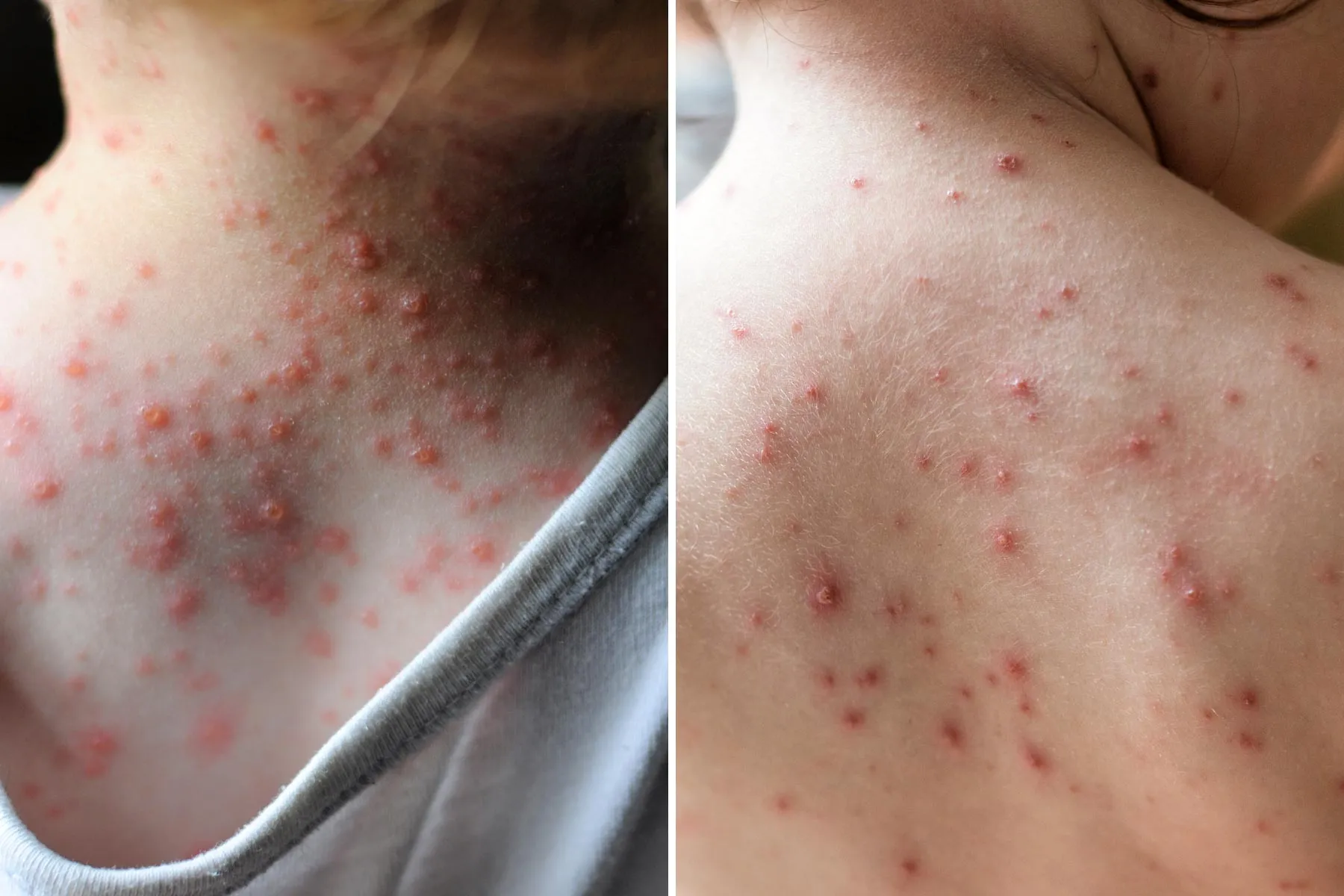
When a Simple Virus Turns Into a Full-Body Outbreak
Chickenpox is a viral infection caused by the Varicella-Zoster virus. It leads to small, itchy, fluid-filled blisters on the skin along with fever, weakness, and body discomfort. It spreads easily from one person to another through coughing, sneezing, direct touch, or shared personal items. Chickenpox is commonly seen in children, but adults with weak immunity can experience more severe symptoms and a longer recovery time.
The Hidden Triggers Behind This Viral Infection
Chickenpox spreads mainly through airborne droplets when an infected person coughs or sneezes. It can also spread through direct contact with the blisters or by touching objects used by the infected person. Individuals with weak immune systems are more susceptible. Lack of nutrition, inadequate sleep, stress, and exposure to infection-prone environments increase the chances of catching the virus.
How Chickenpox Affects the Body: The Organs and Systems Most Impacted
Chickenpox affects the immune system and the skin. The virus first enters the respiratory system and then spreads through the bloodstream to the skin, causing the characteristic rash and blisters. The body’s immune system works to fight the infection, which results in fever, fatigue, and reduced energy levels.
What Your Body Goes Through During the Illness
If not managed properly, chickenpox can lead to severe itching, dehydration, skin infections due to scratching, and, in some cases, scarring. In adults, the infection may become more intense and can cause high fever or complications like pneumonia. After recovery, the virus may remain in the body and can reactivate later in life as shingles, especially if immunity becomes weak.
What Recent Studies Reveal About Chickenpox Cases Today
| Age Group | Severity | Common Pattern | Main Risk Factor |
| Children | Mild to Moderate | Rash + Fever + Itching | Close contact in schools & homes |
| Adults | Moderate to Severe | High fever + More blisters | Weak immunity & stress |
| Elderly / Low Immunity Individuals | Severe | Longer healing time | Poor immune response |
Leave a Reply