
When Your Eyes React to Irritation
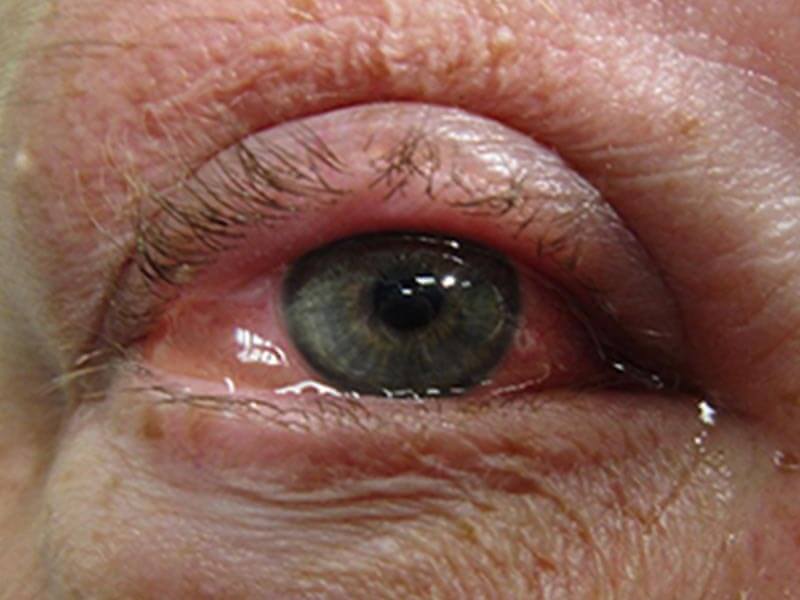
Conjunctivitis, commonly known as eye flu or pink eye, is the inflammation of the thin transparent layer that covers the white part of the eye and the inner surface of the eyelids. This condition causes redness, itching, irritation, and excessive tearing. It spreads easily through physical contact or shared surfaces, which makes it common in schools, offices, and crowded environments. Conjunctivitis may be mild in most cases, but discomfort can be significant.
What Triggers This Eye Inflammation
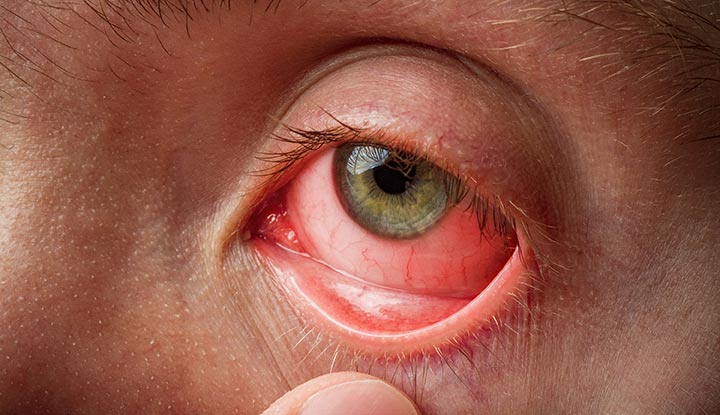
Conjunctivitis usually occurs due to viral or bacterial infection. It can also arise because of dust, pollution, smoke, allergies, heat, use of contaminated makeup, or touching the eyes with unwashed hands. During seasonal changes, especially in summer and rainy periods, the infection spreads quickly. Weak immunity and poor hygiene habits increase the chances of catching conjunctivitis.
Which Part of the Eye Gets Affected the Most
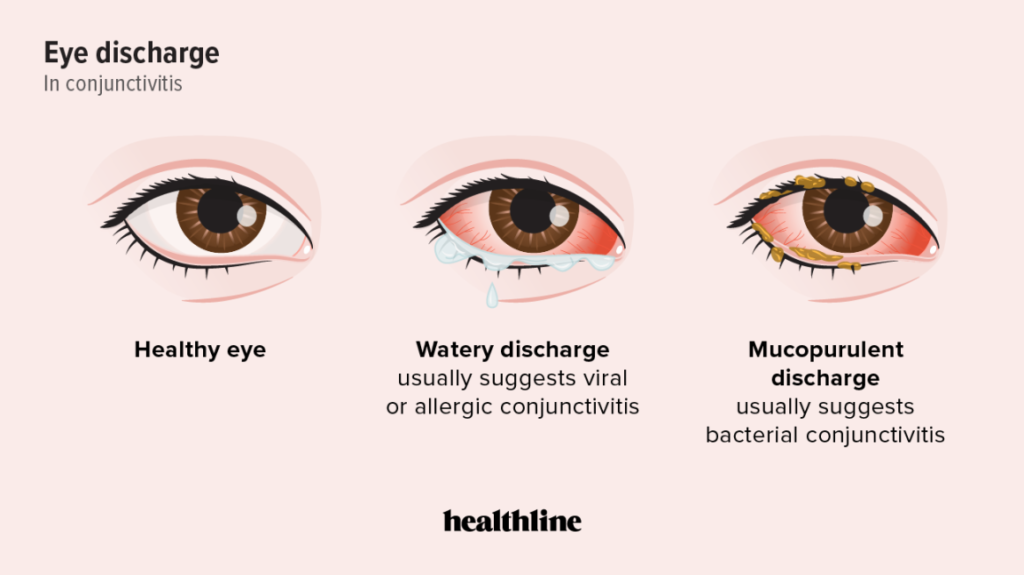
Conjunctivitis primarily affects the eyes, especially the conjunctiva (the protective membrane). The inflammation causes the eyes to appear red, watery, and swollen. Sometimes, a sticky discharge may accumulate, making it difficult to open the eyes in the morning.
How Conjunctivitis Impacts Your Daily Comfort
If not managed on time, conjunctivitis can cause continuous irritation, sensitivity to light, blurred vision, and discomfort while blinking. Touching or rubbing the eyes can worsen the condition and may spread the infection to others. In severe or neglected cases, it can lead to corneal involvement, which may temporarily affect vision clarity.
What Recent Studies Reveal About Rising Eye Infections
| Viral infection during the seasonal change | Nature of Symptoms | Common Cause | Spread Rate |
| Viral Conjunctivitis | Watery discharge, redness | Viral infection during seasonal change | Highly contagious |
| Bacterial Conjunctivitis | Sticky yellow/green discharge | Bacterial contamination | Moderate contagious |
| Allergic Conjunctivitis | Itching, redness, no discharge | Dust, pollen, pollution | Not contagious |
Leave a Reply