

When Blood Flow to the Brain Suddenly Stops
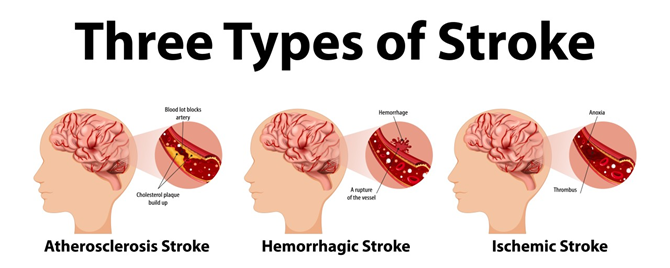
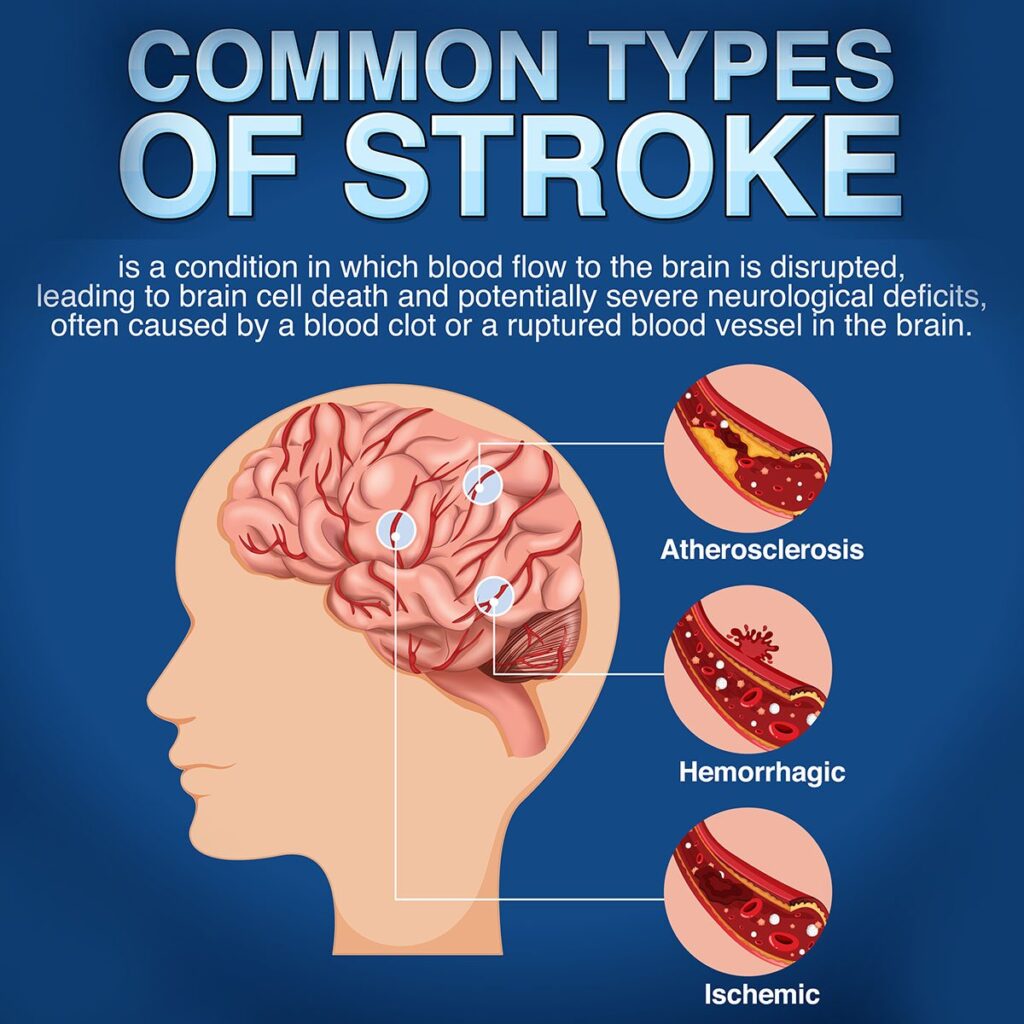
A stroke occurs when the blood supply to a part of the brain is suddenly interrupted. This occurs either due to a blood clot blocking an artery or a blood vessel bursting. Without blood flow, the brain cells do not receive oxygen and nutrients, causing them to begin dying within minutes. A stroke is a medical emergency that can lead to long-lasting damage if treatment is delayed. It can affect movement, speech, memory, and overall body function depending on the area of the brain involved.
What Triggers a Sudden Interruption of Blood Supply to the Brain
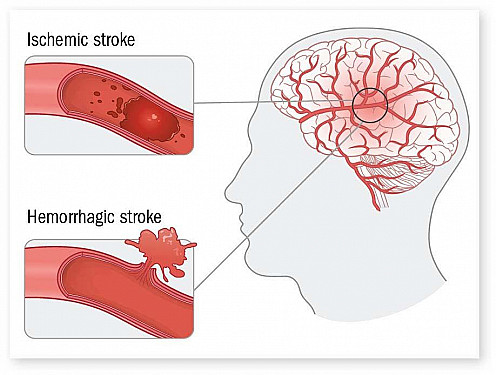
The most common cause of stroke is blockage of blood vessels, which is often the result of high cholesterol, high blood pressure, heart disease, or plaque buildup. Smoking, excessive alcohol, stress, diabetes, obesity, and lack of exercise increase stroke risk. In some cases, a stroke can occur due to bleeding inside the brain when a weak blood vessel ruptures. Irregular heartbeat (arrhythmia) can also lead to clot formation that travels to the brain.
The Brain Areas Most Impacted During a Stroke Episode
Stroke directly affects the brain and indirectly impacts the nervous system, muscles, and body functions. Since the brain controls movement, speech, thinking, and coordination, damage to any part disrupts corresponding body activities.
How a Stroke Alters Body Functions and Everyday Abilities
Stroke may lead to sudden weakness or numbness in the face, arm, or leg (often on one side of the body), difficulty speaking, confusion, dizziness, vision problems, or loss of balance. If not treated quickly, a stroke can cause long-term paralysis, difficulty in speech, memory issues, emotional changes, or permanent disability. Severe strokes can be life-threatening.
The Rising Burden of Stroke in Today’s Population
| Brain damage due to a lack of blood flow | Cause | Risk Pattern | Common Outcome |
| Ischemic Stroke (Most common) | Blood vessel bursts in the brain | High in BP, cholesterol & heart patients | A blood clot blocks an artery in the brain |
| Hemorrhagic Stroke | A blood clot blocks an artery in brain | Seen in uncontrolled BP | Sudden bleeding → pressure on brain tissues |
Recent data shows stroke cases are increasing among younger age groups due to stress, poor diet, sedentary lifestyle, and rising blood pressure issues.
Steps to Lower Your Risk Before a Stroke Can Strike
Control blood pressure and cholesterol levels. Avoid smoking and limit alcohol. Maintain a balanced diet low in salt and oil. Exercise regularly or walk daily to keep blood circulation active. Manage stress with deep breathing and proper sleep. Get regular health check-ups to monitor your heart and blood vessels.
Leave a Reply