

Understanding Seasonal Affective Disorder
Seasonal Affective Disorder (SAD) is a type of mood disorder that appears at a specific time of the year, most commonly during winter months. As daylight hours shorten and sunlight exposure reduces, the brain’s chemical balance gets disturbed, leading to emotional and mental changes. SAD is more than just “winter blues”; it can significantly affect daily functioning, motivation, and emotional stability if left unaddressed.
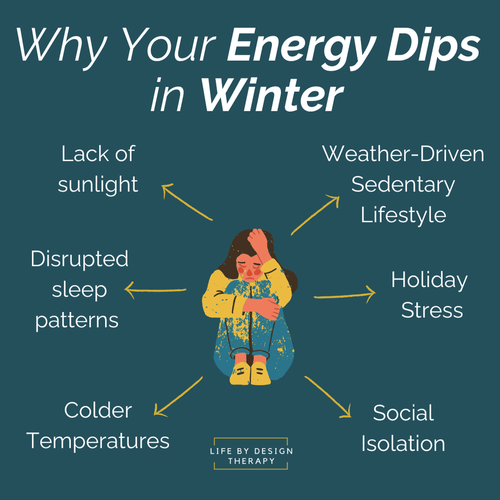
Why Winter Conditions Can Deeply Impact Mood and Trigger SAD
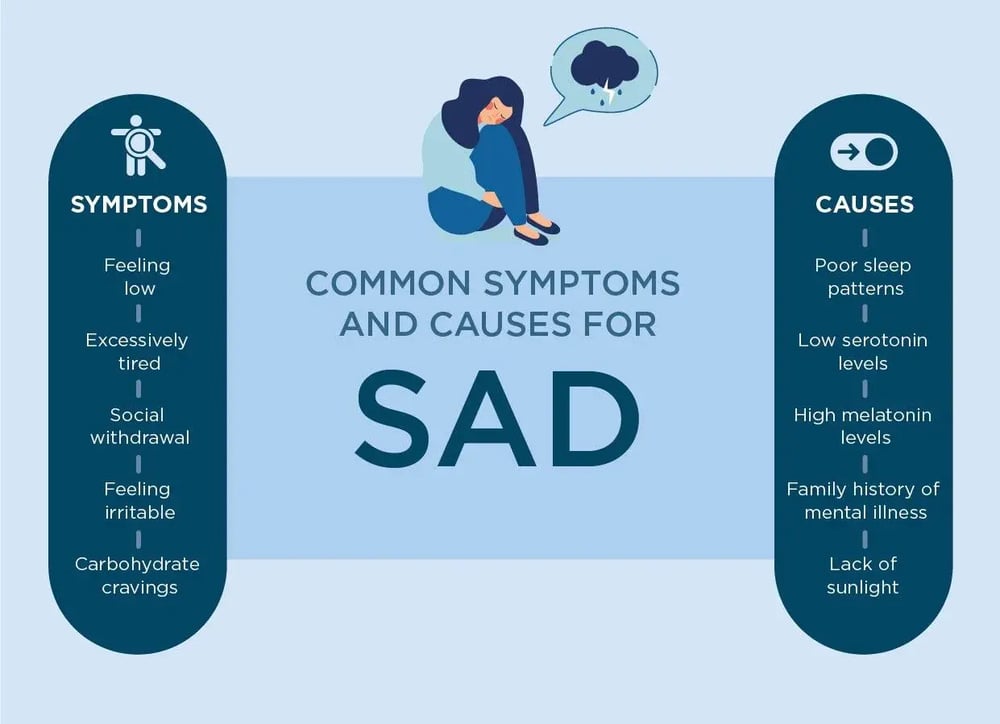
Winter creates the perfect environment for SAD due to multiple combined factors. Reduced sunlight affects the brain’s production of serotonin, a hormone responsible for mood regulation. At the same time, melatonin levels increase because of longer nights, leading to excessive sleepiness and low energy. Cold weather also limits outdoor activity, reduces social interaction, and disrupts daily routines, further intensifying mental fatigue and emotional withdrawal.
How the Body and Brain Are Affected
SAD primarily affects the brain and nervous system, influencing mood, sleep patterns, appetite, and energy levels. The lack of sunlight interferes with the body’s internal clock (circadian rhythm), causing confusion between sleep and wake cycles. Over time, this imbalance reflects as persistent sadness, irritability, lack of interest, and mental fog.
Common Emotional and Physical Symptoms
People experiencing SAD often feel an unexplained heaviness during winter. Emotional symptoms may include low mood, hopelessness, anxiety, difficulty concentrating, and loss of interest in daily activities. Physically, individuals may experience constant fatigue, increased sleep, carbohydrate cravings, weight gain, body heaviness, and reduced motivation. These symptoms usually improve naturally as daylight increases in spring.
Lifestyle and Environmental Factors That Worsen SAD
Spending most of the day indoors, minimal exposure to natural light, irregular sleep schedules, poor diet, and lack of physical movement can worsen SAD symptoms. Urban lifestyles, work-from-home routines, excessive screen time, and limited social interaction during cold months further deepen mental imbalance.
Winter Data Snapshot: Mental Health Trends
| Factor | Winter Impact |
|---|---|
| Sunlight exposure | Drops by 30–50% in peak winter |
| Serotonin levels | Significantly reduced |
| Sleep duration | Increases, but quality decreases |
| Depression cases | Rise during the winter months |
| Outdoor activity | Reduced due to the cold |
Mental health studies consistently show a spike in depressive symptoms during winter, especially in regions with prolonged cold and limited sunlight.
Leave a Reply