
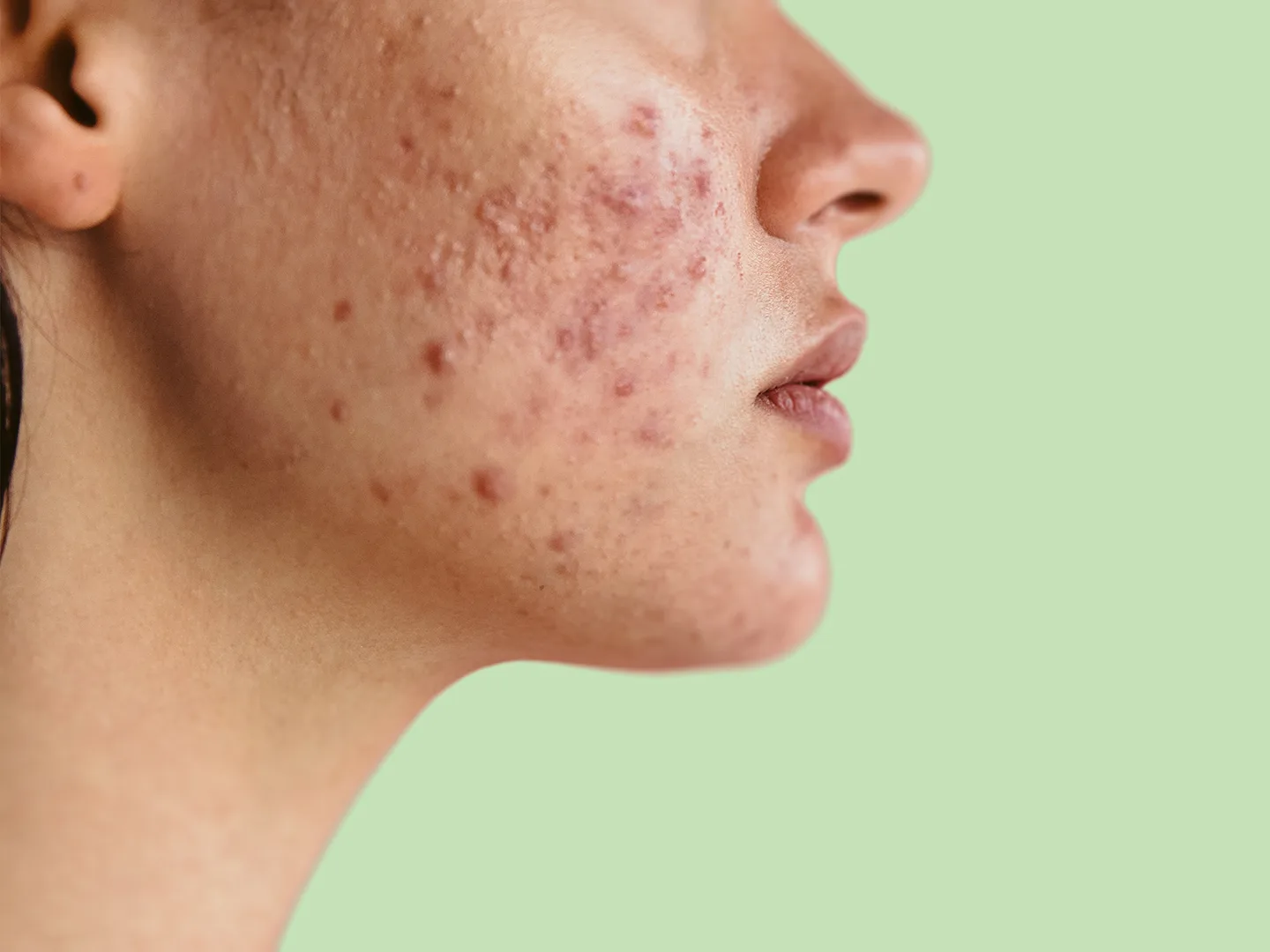
Acne and fungal infections are among the most common dermatological issues affecting millions worldwide. While acne mainly results from clogged pores, excess oil, and bacterial buildup, fungal infections are caused by the overgrowth of fungi on the skin. Both conditions can affect physical appearance and emotional confidence, making timely diagnosis and care extremely important. With lifestyle changes, pollution, stress, and dietary habits influencing skin health, these problems have become more prevalent, even among adults.
All You Need to Know About Acne Formation
Acne is a skin condition that occurs when hair follicles become clogged with oil and dead skin cells. This leads to the formation of pimples, blackheads, and whiteheads, primarily on the face, chest, shoulders, and back. It is most common during puberty due to hormonal changes, but it can appear at any age. Acne may range from mild to severe, depending on the extent of inflammation and bacterial growth.
Understanding the Key Areas Affected by Acne
Acne develops when the sebaceous glands produce excess sebum, which mixes with dead skin and blocks the pores. Bacteria such as Propionibacterium acnes thrive in these blocked pores, leading to inflammation and redness. Other contributing factors include hormonal imbalances, genetic predisposition, stress, use of oily cosmetics, and certain medications. Environmental pollution and unhealthy diets rich in sugar and processed foods also worsen acne symptoms.
Body Parts Commonly Affected by Acne
Acne primarily affects areas of the body with the highest concentration of oil glands, such as the face, neck, chest, shoulders, and back. In some cases, acne can also appear on the scalp or buttocks. These areas are more prone to oil accumulation, making them ideal environments for bacterial and fungal growth.
Types of Acne
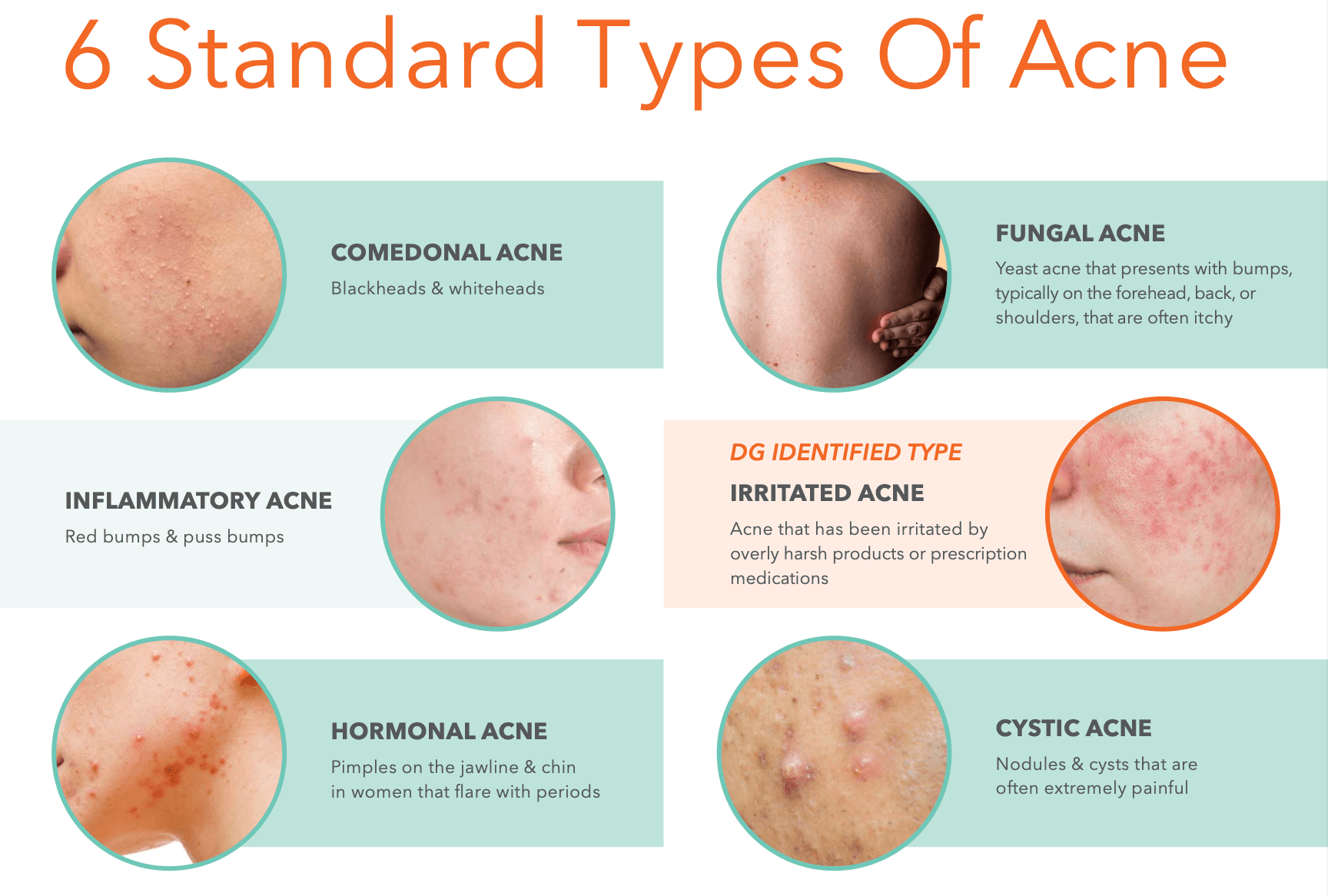
There are several forms of acne, each with distinct characteristics. Comedonal acne includes blackheads and whiteheads caused by blocked pores. Inflammatory acne involves red, swollen pimples that may be painful to touch. Cystic acne is the most severe form, developing deep under the skin and often leaving scars. Hormonal acne typically appears along the jawline and chin, especially in adults experiencing hormonal fluctuations.
Current Global and Indian Acne Data
Global research shows that acne is one of the most widespread skin conditions in the world. A landmark study found an overall global prevalence of approximately 20.5%, with the highest rate (about 28.3%) in the 16-24 year age group.
Another data set estimates that acne affects around 9.4% of the global population, making it the eighth most common disease worldwide.
Further, trends from 1990 to 2021 show a significant increase in global acne burden: the age-standardized prevalence among adolescents/young adults rose from approximately 8,563.4 per 100,000 in 1990 to 9,790.5 per 100,000 in 2021, reflecting an annual increase of about 0.43%.
In India, the scale is particularly large: India reported around 30.7 million prevalent cases of acne vulgaris among adolescents and young adults in 2021, the highest national total globally.
| Metric | Value | Notes |
|---|---|---|
| Global prevalence (all ages) | ~ 9.4% of population | ~ 9.4% of the population |
| Prevalence among adolescents (ages 11-30) | Up to ~ 85% | Many people in this age group will have acne at some point. |
| Global prevalence (recent study) | ~ 20.5% | Includes older adolescents/young adults; peaks ~28.3% in ages 16-24. |
| Increase in adult acne prevalence (1990-2021) | ~ 66% rise in incidence & prevalence | The global burden of adult acne is growing. |
| High-burden country example (India) | ~ 66.6% prevalence in one study | The global burden of adult acne is growing. |
Leave a Reply