
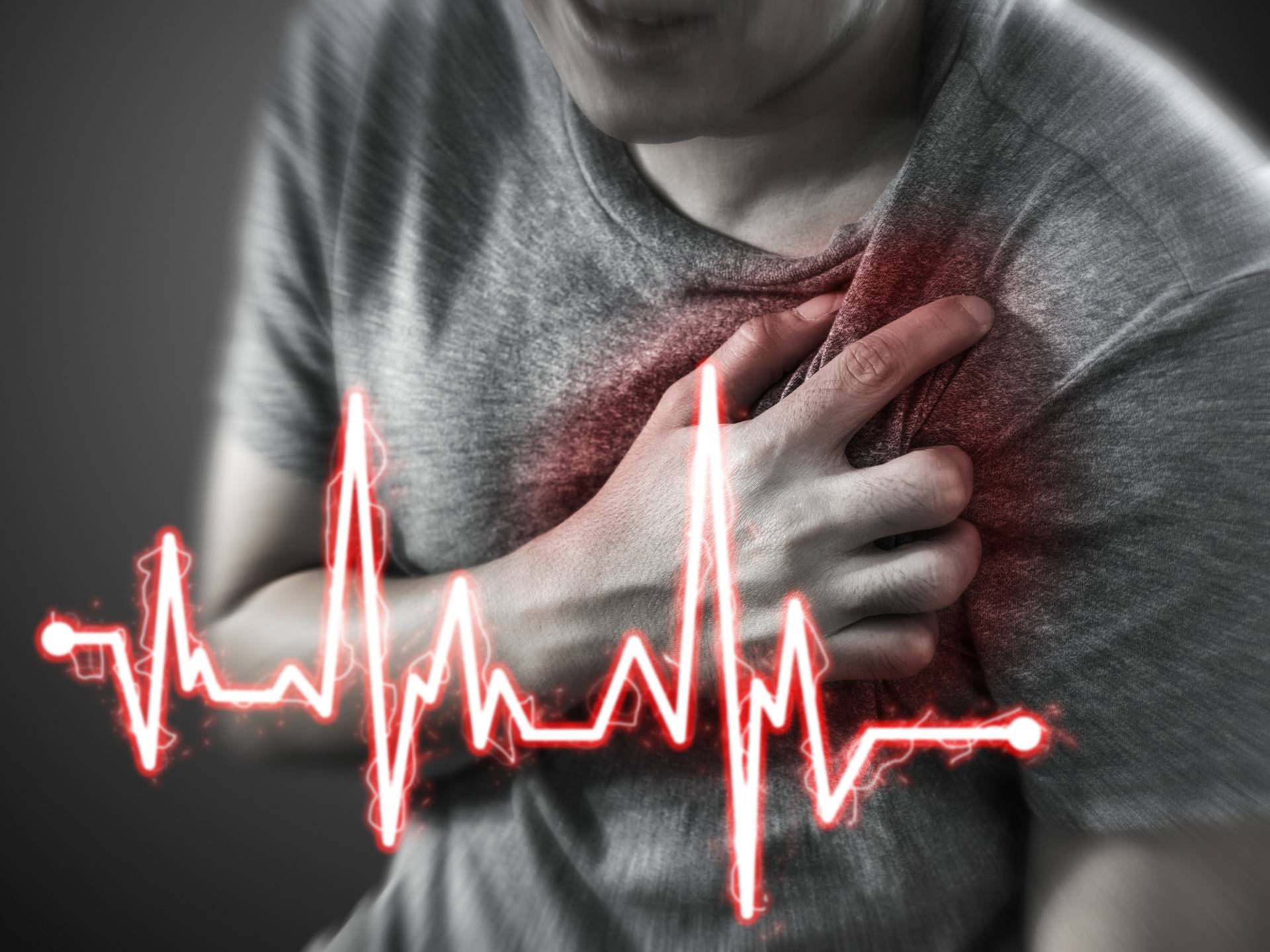
When the Heart Stops Without Warning
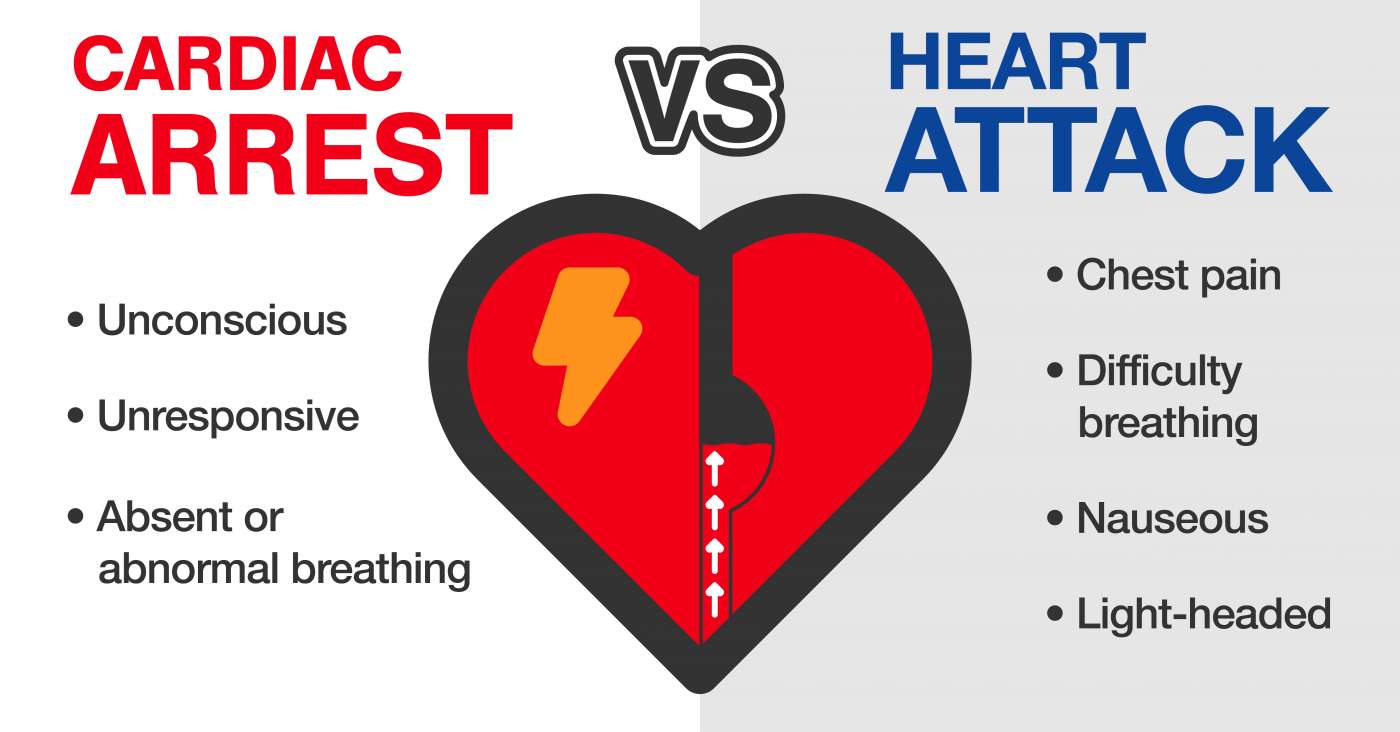
Cardiac arrest is one of the most sudden and life-threatening medical emergencies, where the heart abruptly stops beating effectively. Unlike heart attacks, which block blood flow, cardiac arrest stops blood flow entirely, cutting off oxygen to vital organs within seconds. Most people don’t get enough time to understand what’s happening. The body collapses almost instantly, and without quick intervention, survival becomes extremely difficult. This condition has become more common due to rising stress, unhealthy lifestyles, and silent cardiovascular weaknesses that go unnoticed.
What Triggers Such a Sudden Heart Shutdown
Cardiac arrest typically results from electrical disturbances within the heart. These disturbances can be caused by undiagnosed heart disease, extreme stress, intense physical exertion, severe dehydration, blood pressure imbalance, obesity, or electrolyte disturbances. In many young people, it is related to unnoticed heart rhythm issues that only reveal themselves during sudden shock, emotional stress, or high-intensity physical activities. In older adults, long-term cholesterol buildup, blocked vessels, and heart muscle damage increase the risk dramatically.
Where the Real Damage Occurs Inside the Body
The major system affected during cardiac arrest is the cardiovascular system, specifically the heart’s electrical control center. When the electrical signals misfire, the heart muscles lose rhythm and can no longer pump blood to the body. Within seconds, the brain is deprived of oxygen, leading to unconsciousness. If circulation doesn’t return quickly, vital organs begin to shut down. The lungs, kidneys, and liver all suffer damage due to a lack of oxygen and blood flow, creating a chain reaction throughout the body.
How Cardiac Arrest Impacts Overall Health
The consequences of cardiac arrest are immediate and severe. A person loses consciousness within seconds and stops breathing soon after. If help does not arrive quickly, permanent brain damage can begin within minutes. Survivors may experience memory loss, weakened heart function, difficulty with coordination, speech problems, or long-term fatigue. Even after recovery, individuals remain at high risk for future cardiac complications, making lifestyle correction and continuous monitoring essential.
What Today’s Statistics Reveal
| Over 5 million sudden cardiac arrests are reported annually | Data / Findings | Source Insight |
|---|---|---|
| Global Incidence | High stress, cholesterol, and hypertension are among top causes | WHO, 2024 |
| India Statistics | Nearly 70% of cardiac arrest cases occur outside hospitals | Indian Heart Research Survey |
| Survival Rate | Only 2–5% survive without immediate CPR | Global Resuscitation Database |
| Age Analysis | Rising cases seen in people aged 25–45 due to lifestyle factors | National Cardiac Health Report |
| Trigger Factors | High stress, cholesterol, and hypertension are among the top causes | Asian Cardiovascular Study |
Leave a Reply