
Understanding Cardiomyopathy Beyond the Heartbeat
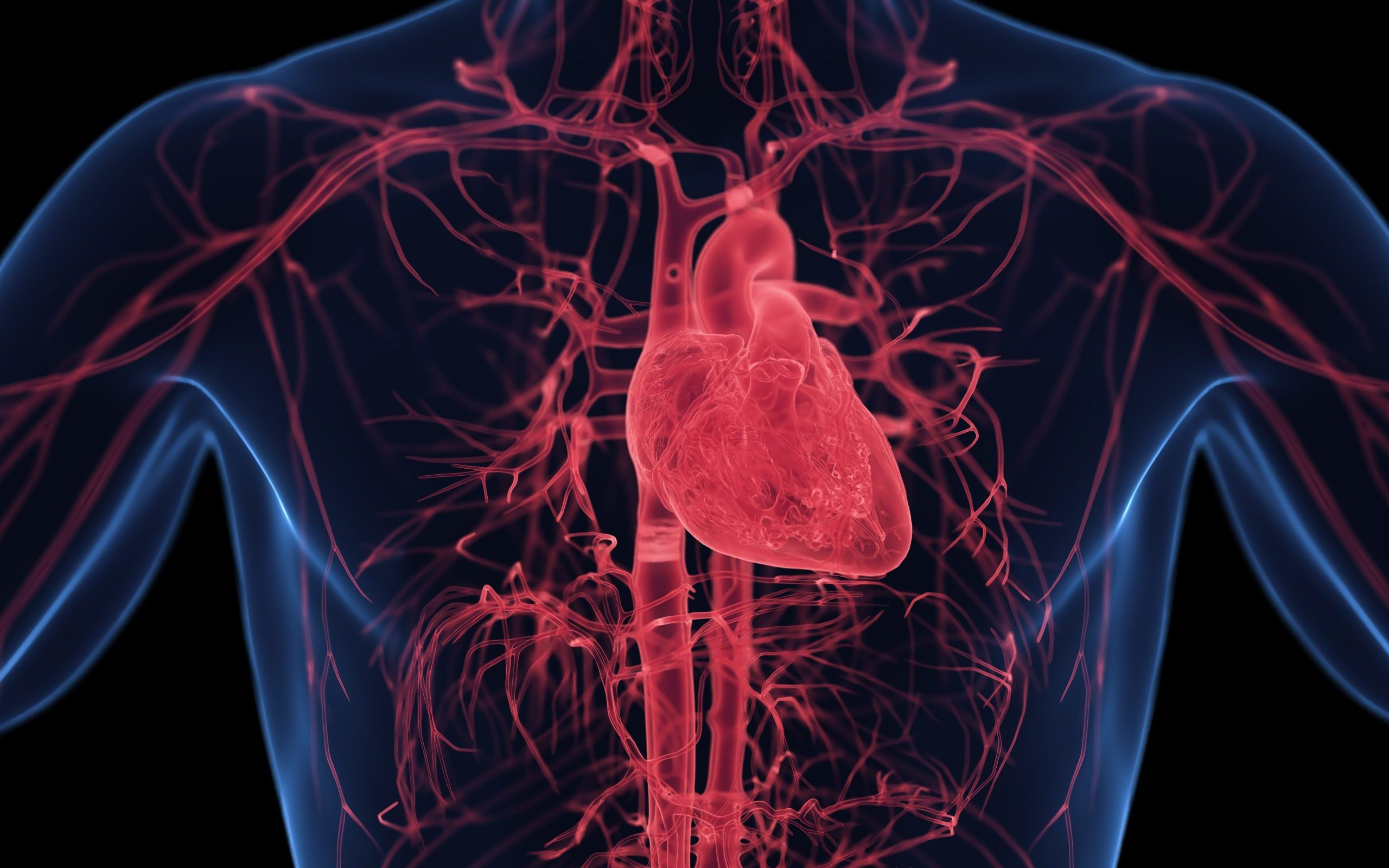
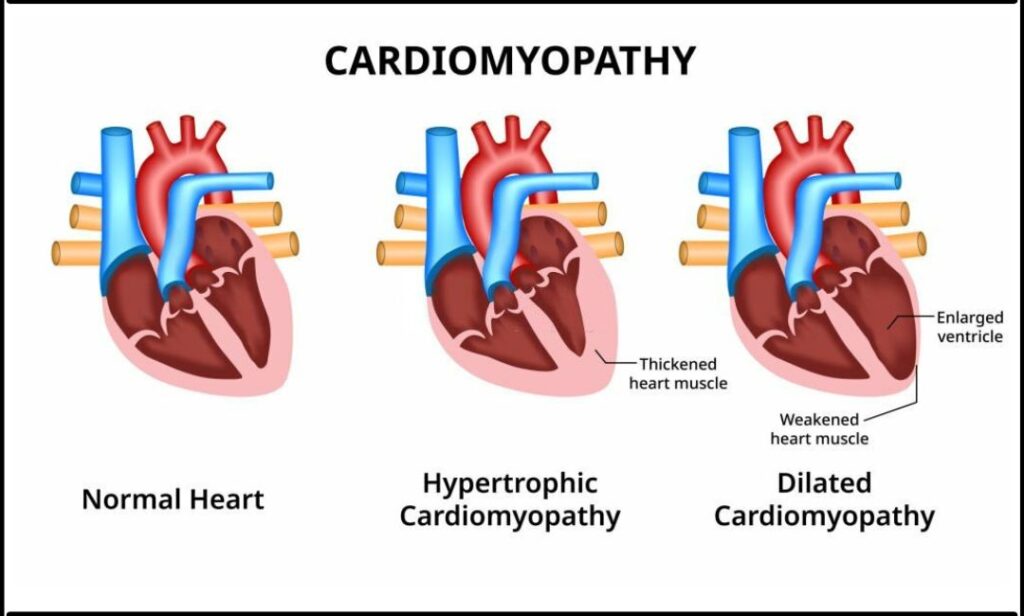
Cardiomyopathy is a condition where the heart muscle becomes weak, stiff, or enlarged, making it difficult for the heart to pump blood efficiently. Unlike sudden heart diseases, this condition develops silently and gradually, often without noticeable symptoms in the early stages. People may continue living their daily routines without realizing their heart is losing the strength it needs to support the body. Over time, this weakening affects energy levels, breathing, and overall well-being, making cardiomyopathy a progressive condition that requires awareness, timely diagnosis, and mindful care.
Root Causes Behind Cardiomyopathy
There is no single reason behind the development of cardiomyopathy; instead, it emerges from a combination of genetic, lifestyle, and medical factors. Some individuals inherit weak heart muscle tendencies, while others develop it due to long-standing high blood pressure, viral infections, chronic alcohol use, or metabolic disorders. A poor lifestyle with stress, lack of exercise, and unhealthy eating habits can further strain the heart. In some cases, the cause remains unknown, but the internal damage continues quietly.
Organs and Systems Most Affected
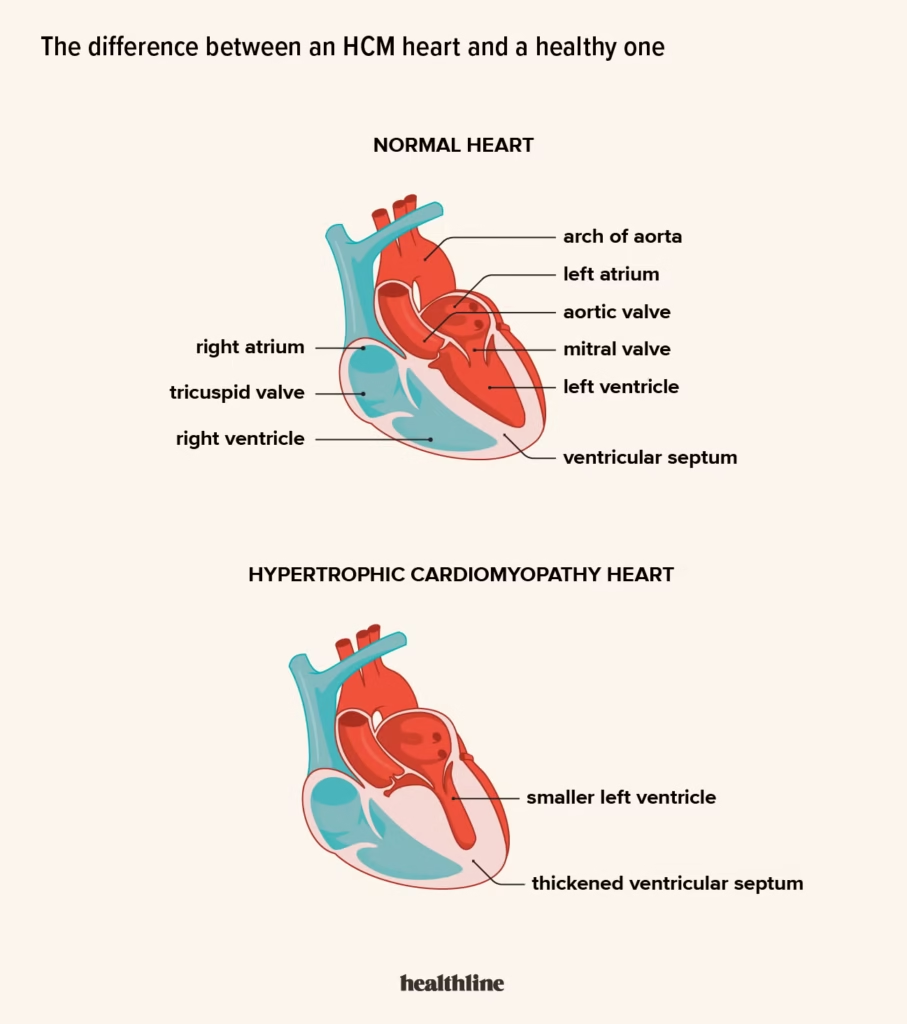
The primary organ affected in cardiomyopathy is the heart itself, especially the ventricles, which should pump blood with force. As the heart loses its pumping ability, the blood supply to organs like the brain, kidneys, and muscles becomes compromised. This decreased circulation leads to fatigue, breathlessness, swelling in the feet, and reduced organ efficiency. Over time, the entire cardiovascular system struggles because the heart can no longer maintain a steady and powerful blood flow.
How Cardiomyopathy Impacts Daily Health
As the condition progresses, people often find themselves becoming tired more easily, even during simple activities like walking or climbing stairs. Breathlessness becomes a frequent companion because the heart cannot supply adequate oxygen-rich blood. Fluid buildup may occur in the legs or abdomen, and the heartbeat becomes irregular or too fast. Mental clarity may reduce due to poor blood circulation, and overall stamina decreases. Without proper care, these consequences can worsen and lead to heart failure or dangerous arrhythmias.
What Recent Studies Reveal
| Category | Data / Findings | Insight |
|---|---|---|
| Global Cases | An estimated 1 in 500 adults affected | Rising due to lifestyle and hereditary factors |
| India Statistics | Increasing in the 25–40 age bracket | Often goes undiagnosed until the moderate stage |
| Age Group | Increasing in 25–40 age bracket | Linked to stress, alcohol, and lifestyle imbalance |
| Mortality Risk | 2x higher in untreated patients | Early intervention improves survival |
| Hospital Admissions | 18% of heart-related admissions involve cardiomyopathy | Awareness remains low |
Preventive Steps for Long-Term Heart Protection
Prevention begins with protecting the heart muscle through mindful lifestyle choices. Maintaining healthy blood pressure, limiting alcohol consumption, and staying physically active help reduce the risk of developing cardiomyopathy. Regular heart checkups, especially for people with a family history or existing medical conditions, play a major role. Managing stress, avoiding smoking, and choosing heart-healthy foods like fruits, vegetables, and whole grains contribute to better cardiac strength. Early intervention and lifestyle discipline are the strongest shields against cardiomyopathy.
Leave a Reply