
Blog
Your blog category
-

Seasonal Affective Disorder (SAD)
More Details: Seasonal Affective Disorder (SAD)Understanding Seasonal Affective Disorder Seasonal Affective Disorder (SAD) is a type of mood disorder that appears at a specific time of the year, most commonly during winter months. As daylight hours shorten and sunlight exposure reduces, the brain’s chemical balance gets disturbed, leading to emotional and mental changes. SAD is more than just “winter blues”;…
-
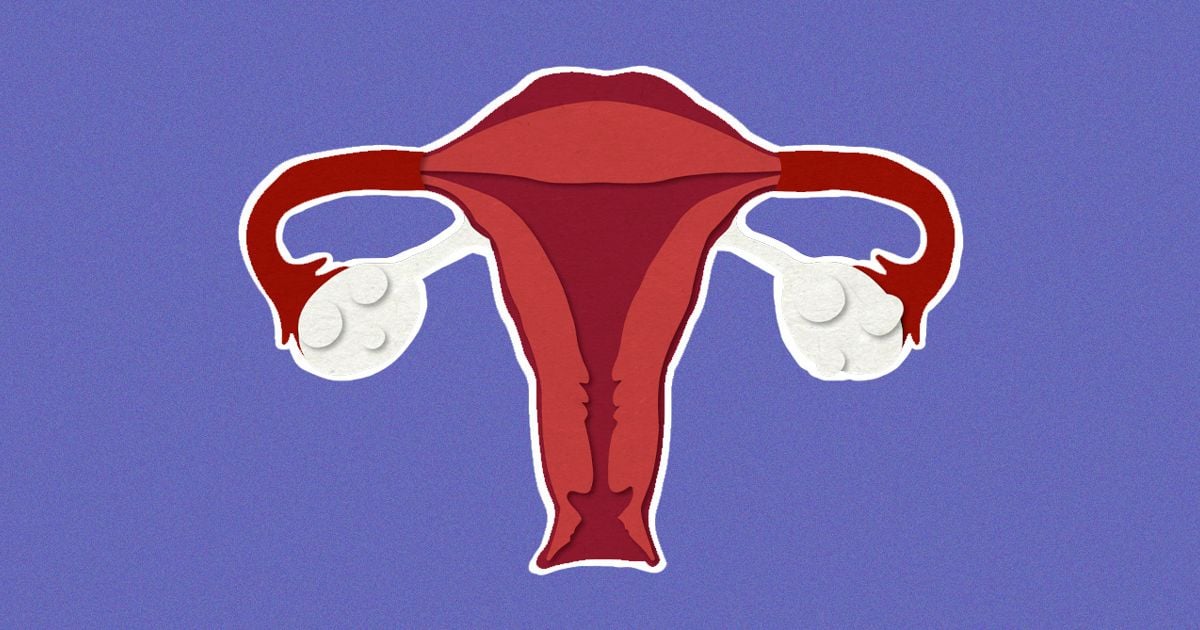
PCOS (Polycystic Ovary Syndrome)
More Details: PCOS (Polycystic Ovary Syndrome)Polycystic Ovary Syndrome (PCOS) is a hormonal disorder that affects the balance of reproductive hormones in women, especially during their reproductive years. It occurs when the ovaries produce excess androgens (male hormones), resulting in irregular menstrual cycles, the formation of small cysts on the ovaries, and metabolic imbalances. PCOS is not just a reproductive issue;…
-
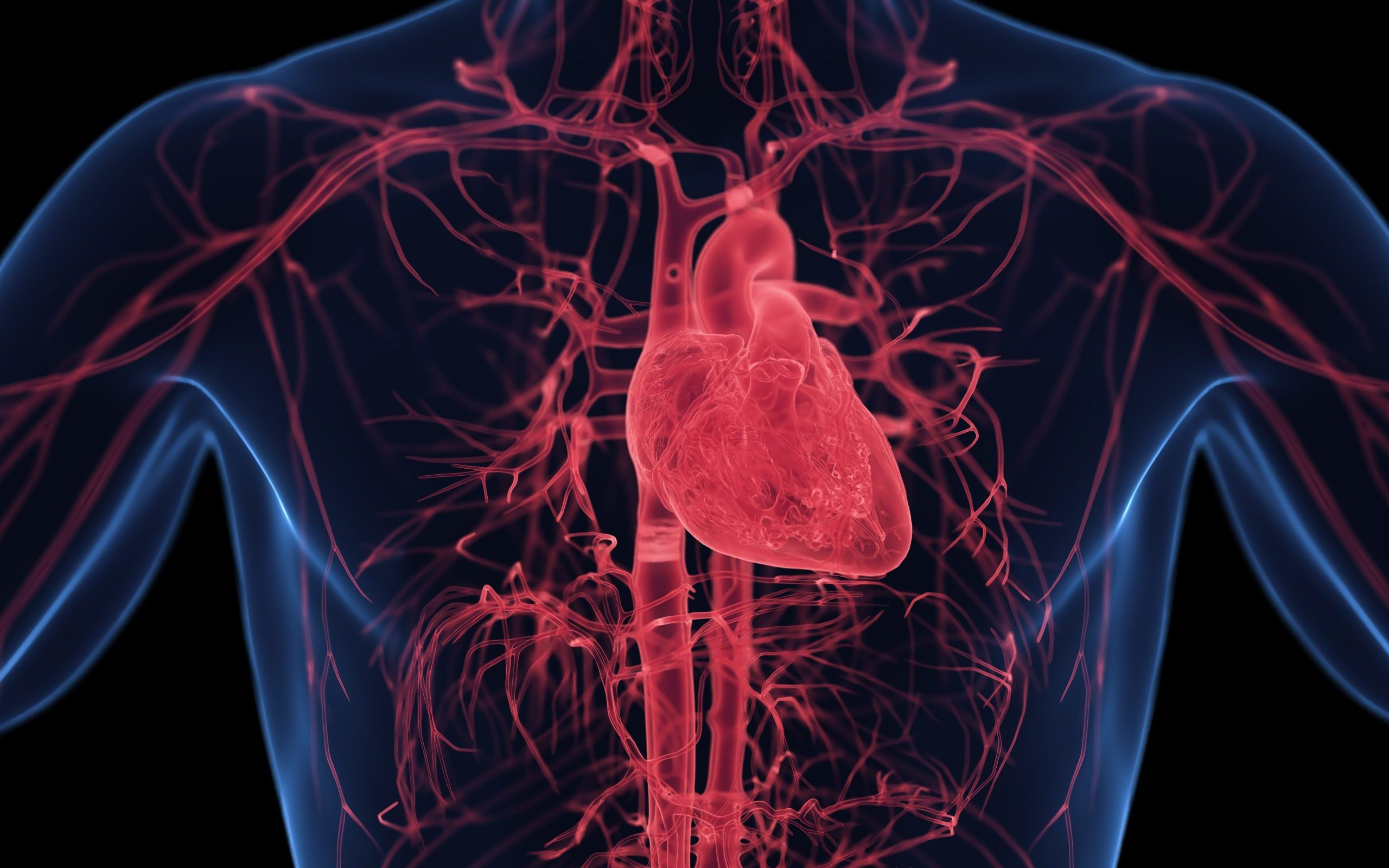
Cardiomyopathy
More Details: CardiomyopathyUnderstanding Cardiomyopathy Beyond the Heartbeat Cardiomyopathy is a condition where the heart muscle becomes weak, stiff, or enlarged, making it difficult for the heart to pump blood efficiently. Unlike sudden heart diseases, this condition develops silently and gradually, often without noticeable symptoms in the early stages. People may continue living their daily routines without realizing…
-
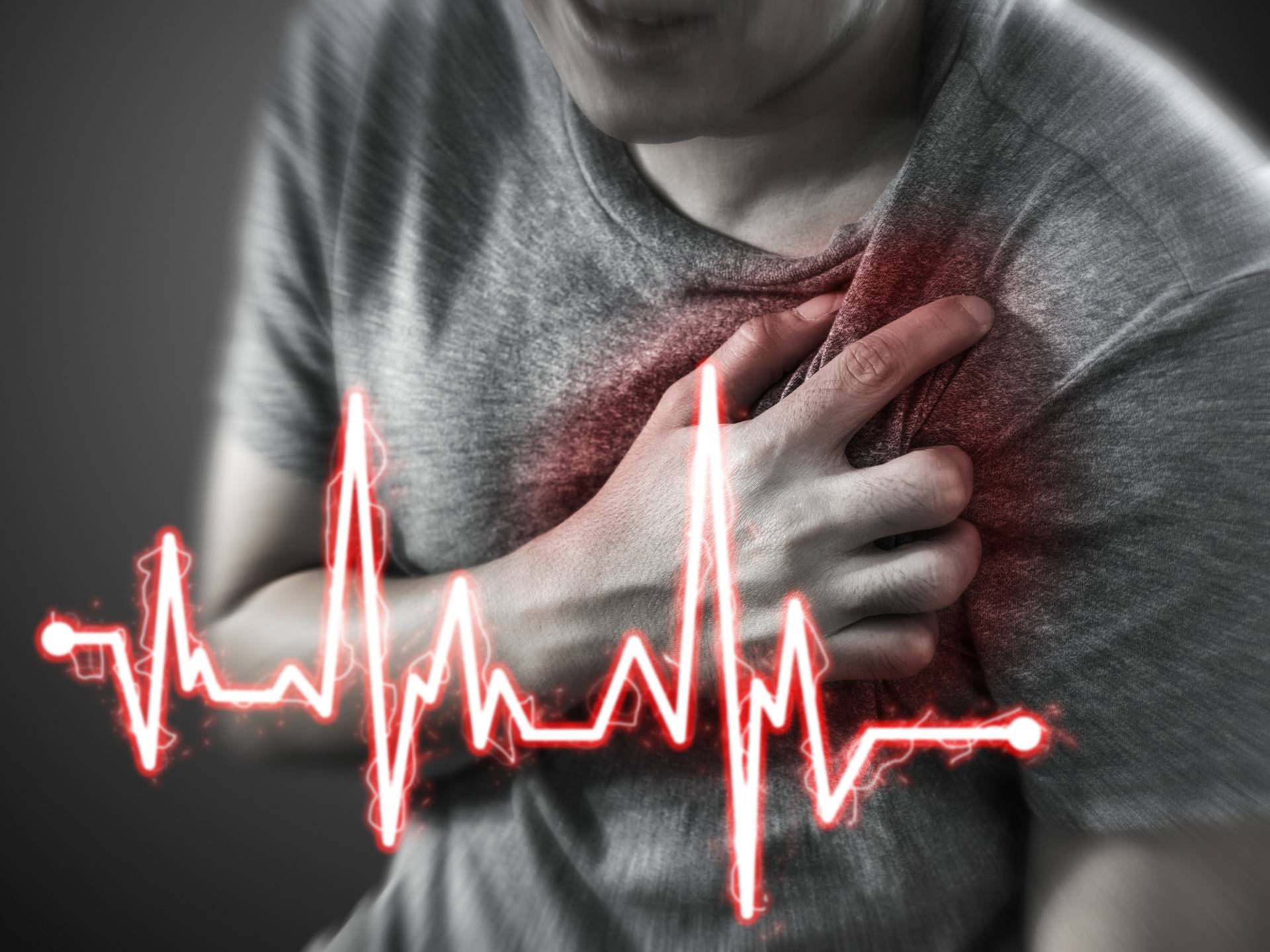
Cardiac Arrest
More Details: Cardiac ArrestWhen the Heart Stops Without Warning Cardiac arrest is one of the most sudden and life-threatening medical emergencies, where the heart abruptly stops beating effectively. Unlike heart attacks, which block blood flow, cardiac arrest stops blood flow entirely, cutting off oxygen to vital organs within seconds. Most people don’t get enough time to understand what’s…
-
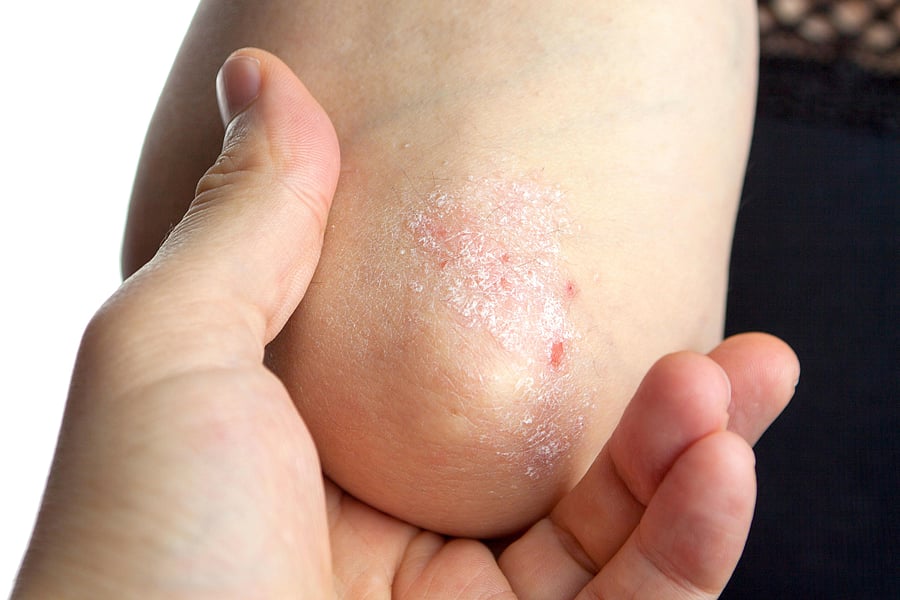
Psoriasis
More Details: PsoriasisWhen Skin Cells Multiply Faster Than They Should Psoriasis is a chronic skin condition in which the skin cells multiply faster than normal. This causes thick, dry, red patches covered with white or silvery scales. These patches can appear on the scalp, elbows, knees, back, or any part of the body. Psoriasis is not contagious,…
-

Vitiligo
More Details: VitiligoWhen Skin Pigment Begins to Fade Vitiligo is a condition in which the skin loses its natural color due to the destruction or decreased activity of pigment-producing cells called melanocytes. This results in white or pale patches appearing on different parts of the body. These patches may slowly increase in size or spread over time.…
-

Stroke
More Details: StrokeWhen Blood Flow to the Brain Suddenly Stops A stroke occurs when the blood supply to a part of the brain is suddenly interrupted. This occurs either due to a blood clot blocking an artery or a blood vessel bursting. Without blood flow, the brain cells do not receive oxygen and nutrients, causing them to…
-

Palpitation
More Details: PalpitationWhen Your Heart Beats Out of Rhythm Palpitation is a condition in which a person becomes unusually aware of their heartbeat. The heart may feel like it is beating too fast, too slow, skipping beats, or pounding strongly. These sensations can occur even when a person is resting. Palpitations are often harmless but can sometimes…
-
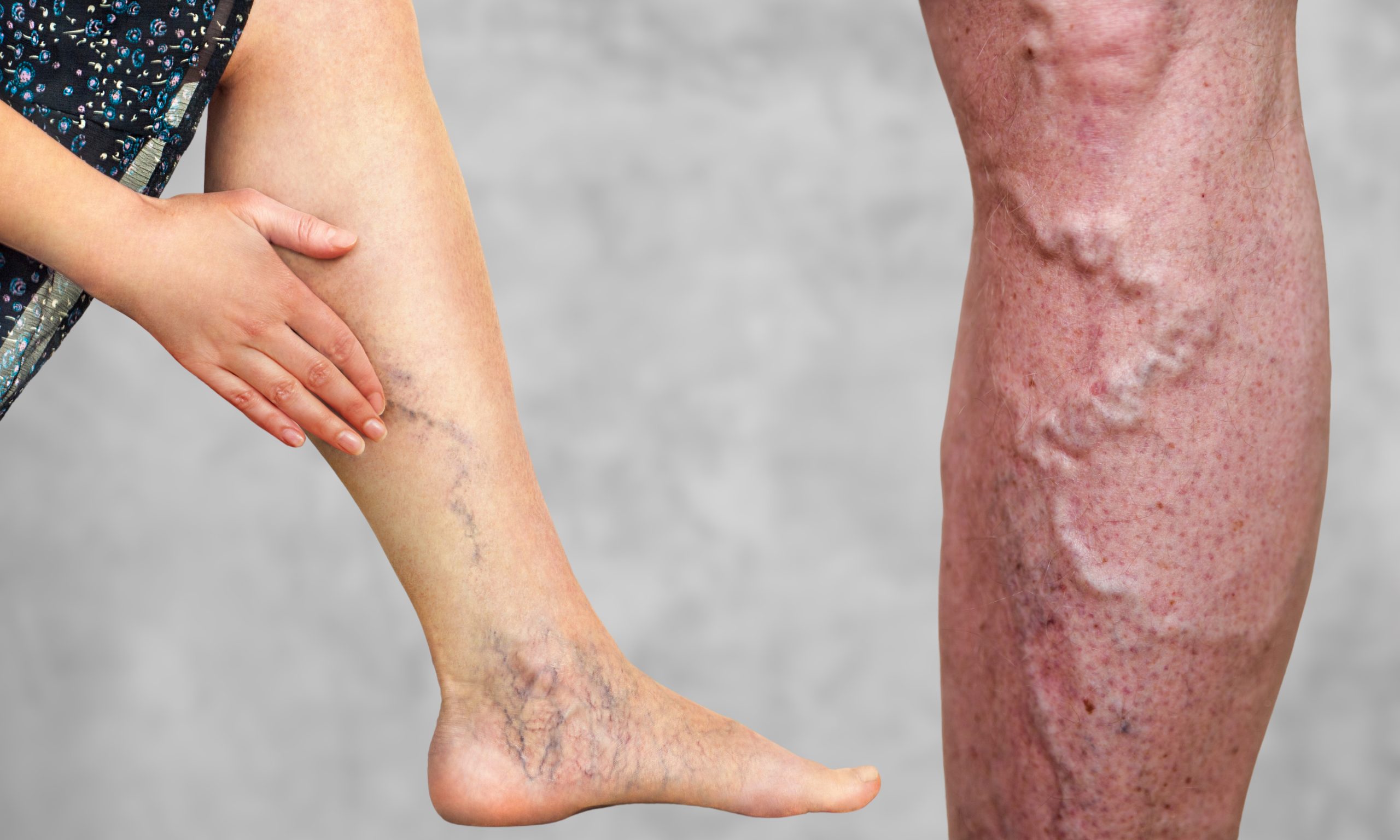
Deep Vein Thrombosis (DVT)
More Details: Deep Vein Thrombosis (DVT)Understanding Deep Vein Thrombosis: When Blood Flow Slows and Risks Rise Deep Vein Thrombosis (DVT) is a condition in which a blood clot forms in a deep vein, usually in the legs. This clot blocks normal blood flow, causing pain, swelling, and heaviness. If the clot breaks loose and travels to the lungs, it can…
-
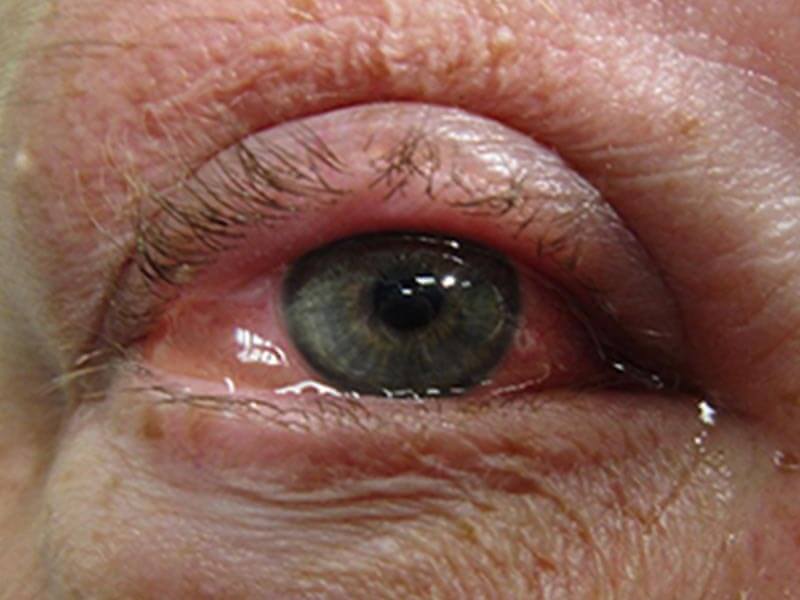
Conjunctivitis
More Details: ConjunctivitisWhen Your Eyes React to Irritation Conjunctivitis, commonly known as eye flu or pink eye, is the inflammation of the thin transparent layer that covers the white part of the eye and the inner surface of the eyelids. This condition causes redness, itching, irritation, and excessive tearing. It spreads easily through physical contact or shared…
-
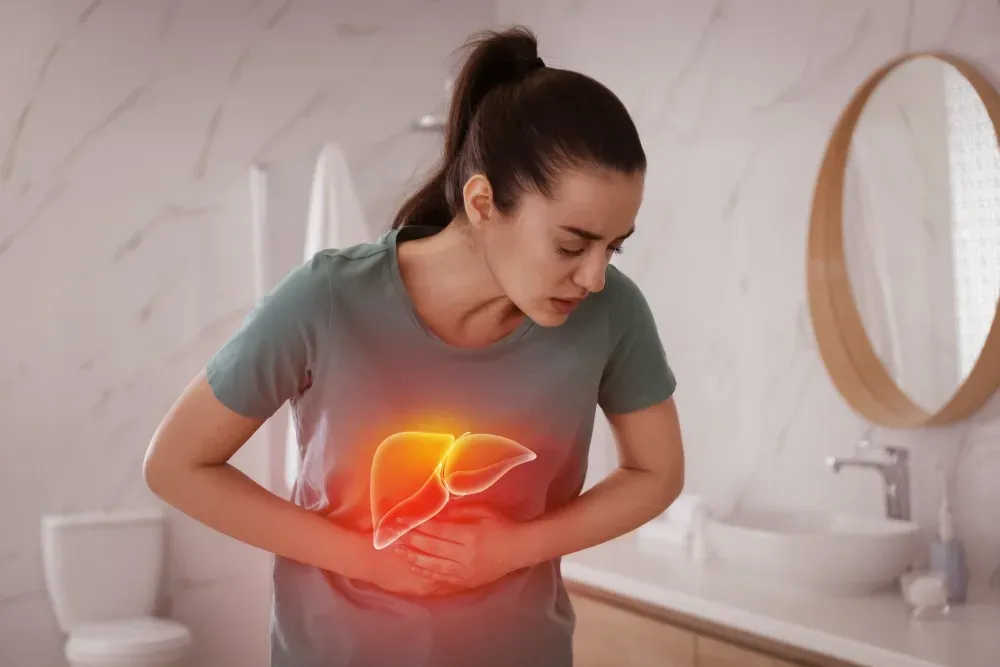
Hepatitis
More Details: HepatitisUnderstanding Hepatitis in Today’s World Hepatitis is a condition in which the liver becomes inflamed and unable to perform its normal functions efficiently. The liver is responsible for detoxification, digestion support, energy balance, and maintaining metabolism. When hepatitis develops, liver cells become swollen and irritated, causing symptoms such as weakness, loss of appetite, nausea, and…
-
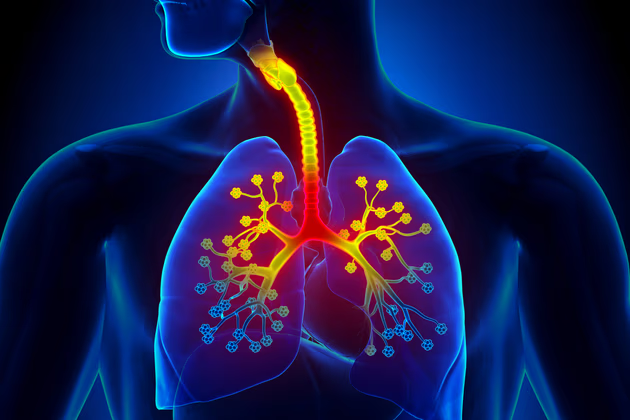
Bronchitis
More Details: BronchitisWhen Your Airways Struggle to Breathe Bronchitis is a condition in which the bronchial tubes (the airways that carry air to and from the lungs) become inflamed and swollen. This leads to coughing, chest discomfort, mucus production, and difficulty in breathing. It may occur suddenly due to infection (acute bronchitis) or may last longer due…