
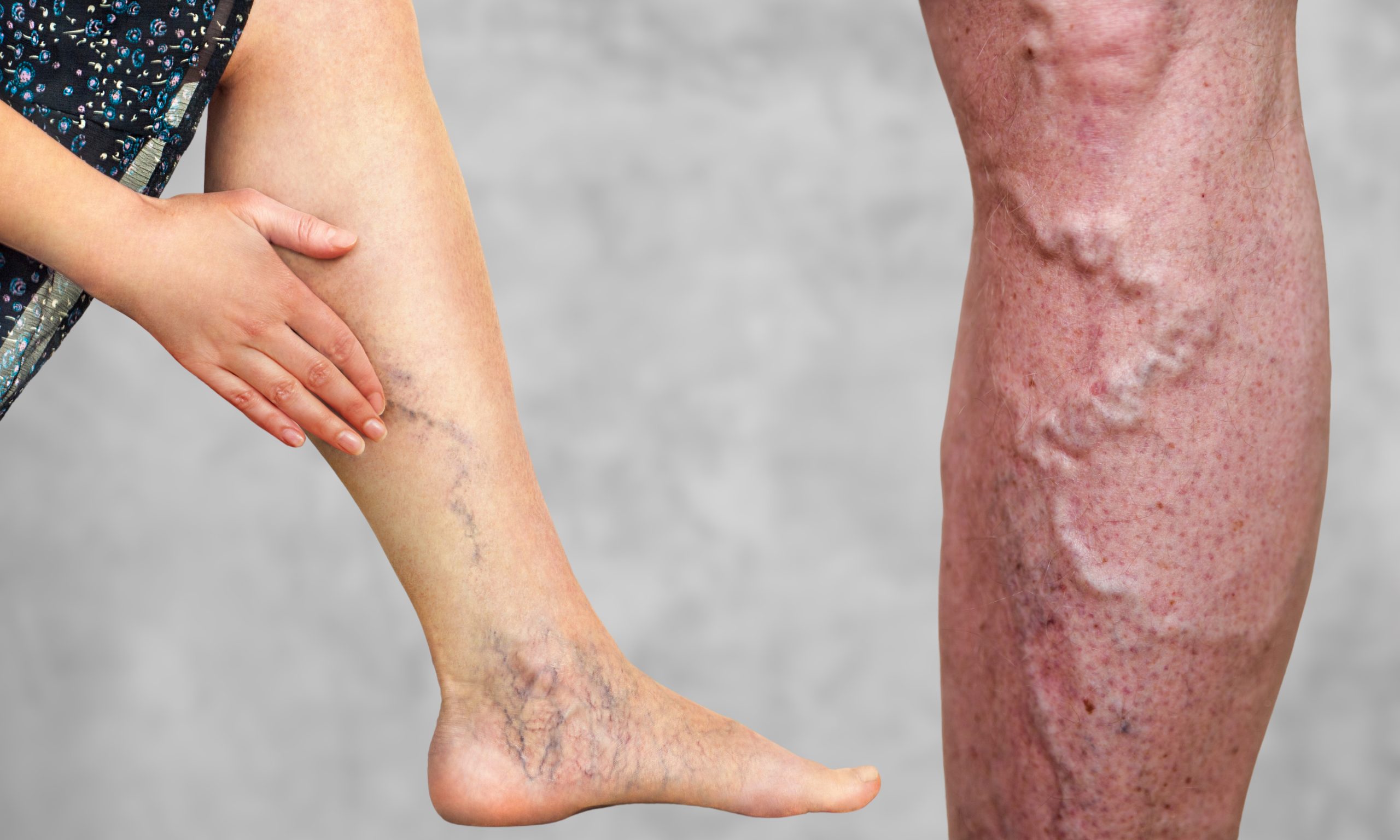
Understanding Deep Vein Thrombosis: When Blood Flow Slows and Risks Rise
Deep Vein Thrombosis (DVT) is a condition in which a blood clot forms in a deep vein, usually in the legs. This clot blocks normal blood flow, causing pain, swelling, and heaviness. If the clot breaks loose and travels to the lungs, it can lead to a pulmonary embolism, which is a serious and life-threatening condition. DVT often develops quietly, which is why early awareness is important.
Why Dangerous Clots Form Inside Deep Veins
DVT is commonly caused by slow or restricted blood flow in the veins. This can happen due to long sitting or lying down (such as long travel or bed rest), dehydration, obesity, smoking, surgery recovery, hormonal changes, or varicose veins. Individuals with heart conditions or weak blood circulation are more likely to experience clot formation. Lack of physical movement is one of the biggest contributing factors.
Where DVT Strikes Inside the Body
DVT affects the circulatory system, particularly the deep veins in the legs. The blood clot blocks the vein and disrupts smooth blood circulation. This may also put pressure on the heart and lungs if the clot travels upward in the bloodstream.
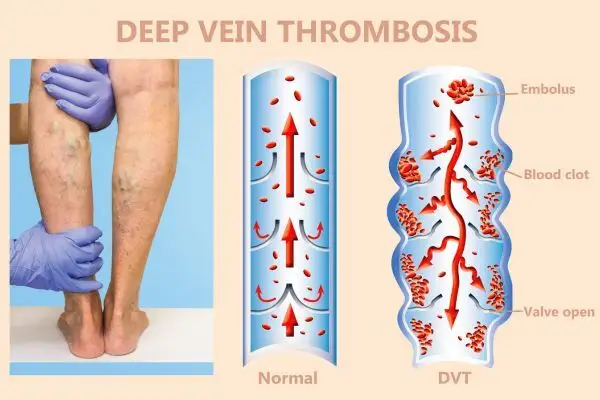
How a Single Clot Can Trigger Serious Health Complications
If DVT is not treated, it may cause swelling, pain, skin discoloration, heaviness, or warmth in the affected leg. In severe cases, the clot can travel to the lungs and cause Pulmonary Embolism, which leads to chest pain, sudden breathlessness, and can be life-threatening. Long-term untreated DVT can also weaken the veins and cause chronic leg swelling and discomfort.
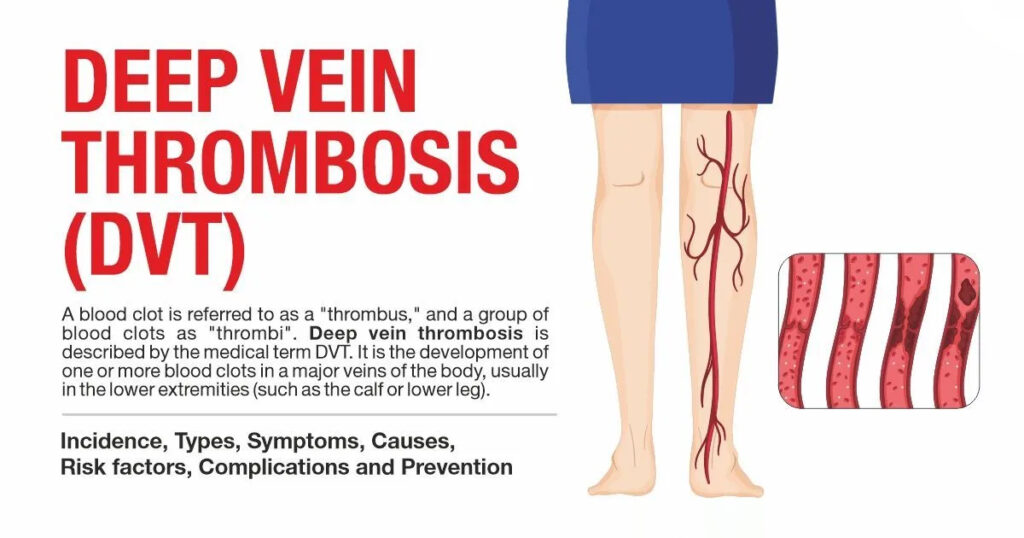
What Today’s Numbers Reveal About DVT Risks
| Risk Group | Common Trigger | Risk Pattern | Complication Possibility |
| Office job / long sitting individuals | Lack of movement | Blood pooling in the lower body | DVT formation risk increases |
| Bed rest / post-surgery patients | Immobility | Blood pooling in lower body | High clot development risk |
| Elderly & cardiac patients | Weak circulation | Reduced vein strength | Slow blood flow in the legs |
Leave a Reply