
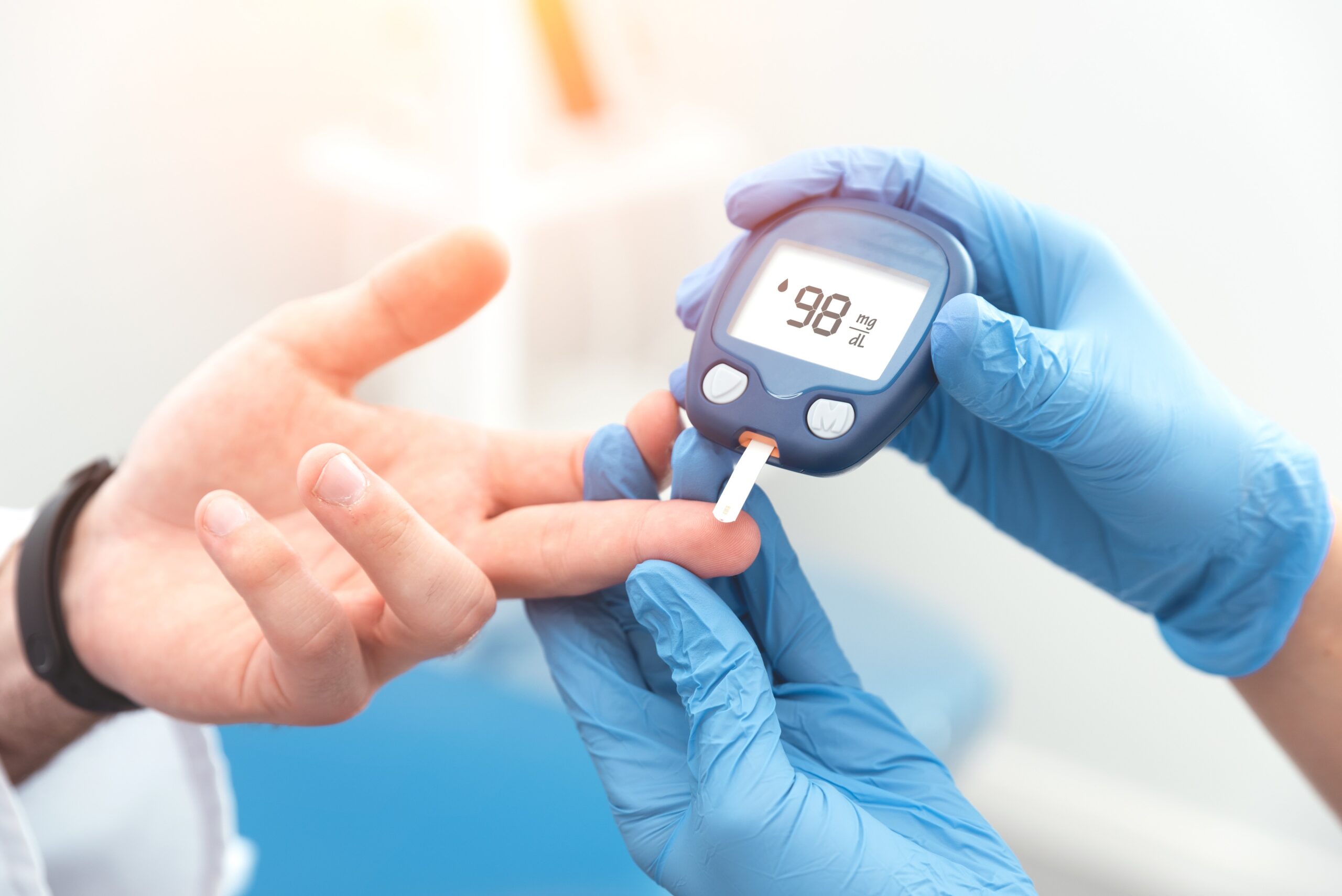
Diabetes is a chronic metabolic condition in which the body’s ability to regulate blood glucose (sugar) is impaired. Normally, the pancreas produces a hormone called insulin, which helps glucose from food enter cells to be used for energy. In diabetes, either the pancreas doesn’t produce enough insulin, or the cells of the body become resistant to insulin (or both). The result: elevated blood glucose levels (hyperglycemia), which over time can damage organs, nerves, and blood vessels.
Why Does It Happen? (Causes & Risk Factors)
There are multiple causes and contributing factors:
- Genetic predisposition: Some people have an inherited risk of poor insulin production or insulin resistance.
- Lifestyle changes: lack of physical activity, high-calorie and high-sugar diets, and obesity (especially abdominal/visceral fat) increase risk.
- Urbanization and environment: Urban migration, sedentary jobs, and changes in diet have raised the incidence.
- Other factors, polycystic ovary syndrome (PCOS), gestational diabetes during pregnancy, certain viral infections, or chemical exposures, may raise risk.
Breaking Down the Types of Diabetes – What Makes Each One Unique
Main types include:
- Type 1 Diabetes – an autoimmune form where the immune system destroys the insulin-producing beta cells in the pancreas.
- Type 2 Diabetes – the most common form (~90%+ of cases), where the body becomes resistant to insulin and/or doesn’t produce enough.
- Gestational Diabetes – occurs during pregnancy and can increase the risk of type 2 later.
- Other specific types – including monogenic diabetes (e.g., neonatal, maturity-onset) or those due to diseases of the pancreas or endocrine system.

Exploring the Body Parts and Systems Most Affected by Diabetes
Diabetes affects many organs and systems because high blood glucose over time damages blood vessels and nerves. Key impacted parts:
- Heart & blood vessels: increased risk of heart disease, stroke, atherosclerosis.
- Kidneys: diabetes is a leading cause of kidney damage (diabetic nephropathy) and kidney failure.
- Eyes: can lead to diabetic retinopathy, blindness if untreated.
- Nerves (neuropathy): damage to peripheral nerves, causing numbness, pain, and poor wound healing.
- Pancreas: In type 1,
- the beta cells are destroyed; in type 2, the pancreas struggles to keep up with increased demand.
- Skin and feet: slow healing, increased risk of foot ulcers and infections.
Present Situation and Data Trends of Diabetes Cases in India
- In India, it is estimated that about 77 million adults have diabetes (type 2) and nearly 25 million are pre-diabetics.
- More recently, estimates show India may have 89.8 million adults (aged 20-79) with diabetes in 2024.
- A survey found the prevalence of diabetes and impaired fasting glucose in India as about 9.3% and 24.5% respectively; awareness, treatment, and control are still low.
- Diabetes prevalence is increasing rapidly; urban incidence is higher than rural, and onset is earlier in Indians compared to Western populations.
Practical and Medical Strategies for Managing and Treating Diabetes Successfully
Managing diabetes effectively requires a balanced combination of diet, exercise, regular monitoring, and stress control. A healthy diet plays a crucial role; it should be rich in high-fiber foods, whole grains, fresh vegetables, and lean proteins, while avoiding refined sugar, processed items, and junk food. Along with proper nutrition, regular physical activity is essential; engaging in at least 30 to 45 minutes of exercise daily helps the body use insulin more efficiently and maintain stable blood sugar levels.
Weight management is another key factor, as maintaining a healthy body weight improves insulin sensitivity and reduces the risk of complications. Routine monitoring of blood glucose levels and HbA1c ensures that sugar levels remain within the target range and helps in early detection of fluctuations. In cases where lifestyle changes alone are not sufficient, medication or insulin therapy prescribed by healthcare professionals becomes necessary to regulate blood sugar effectively.
Lastly, managing stress is equally important, as emotional or physical stress can elevate blood sugar levels. Incorporating yoga, meditation, deep breathing exercises, and ensuring proper sleep can significantly contribute to maintaining emotional balance and improving overall diabetes control.
Prevention and Lifestyle Modifications
Even though genetics play a role, lifestyle changes can significantly reduce diabetes risk:
- Eat balanced meals at regular intervals.
- Stay hydrated and avoid sugary beverages.
- Get enough sleep (7–8 hours daily).
- Avoid smoking and limit alcohol.
- Undergo regular medical checkups, especially after age 30.
- Educate yourself about early signs like fatigue, frequent urination, and blurred vision.
Leave a Reply