
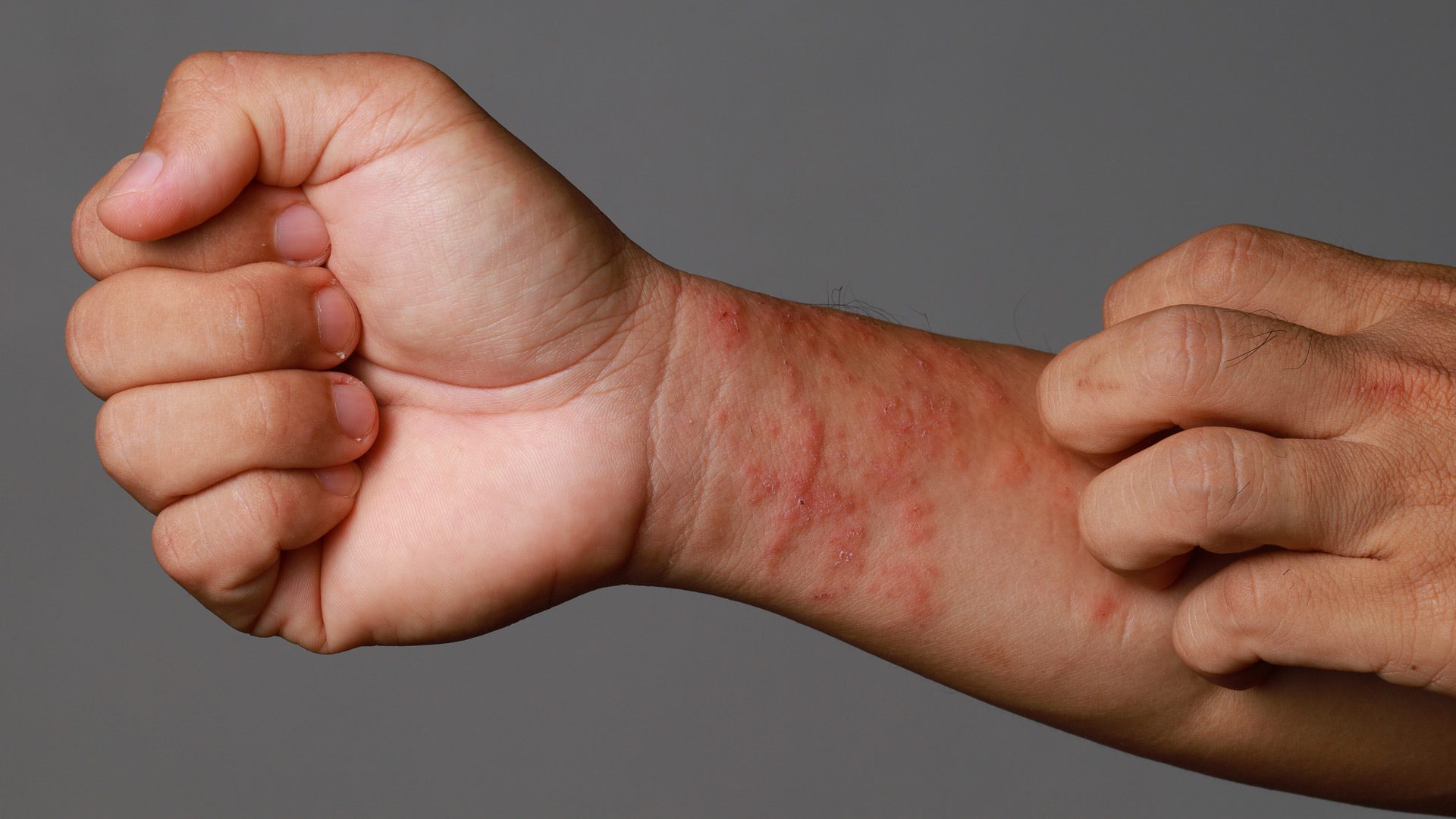
When Your Skin Speaks: The Beginning of Eczema
Eczema, also known as Atopic Dermatitis, is a chronic inflammatory skin condition that causes redness, itching, dryness, and irritation. It is one of the most common dermatological issues, often appearing in early childhood but can persist or recur throughout life. Eczema is not contagious, but it can significantly impact quality of life due to constant itching, discomfort, and visible patches on the skin. In severe cases, it can lead to skin thickening, cracks, or infections.
Hidden Factors Causing Eczema
Eczema develops due to a combination of genetic, immune, and environmental factors. People with a family history of allergies, asthma, or dermatitis are more prone to it. A weakened skin barrier allows moisture loss and irritants or microbes to enter, triggering inflammation. Common environmental triggers include harsh soaps, dust, weather changes, pollen, and stress. Certain foods or fabrics can also cause flare-ups. The immune system in eczema patients often overreacts to minor irritants, resulting in chronic inflammation.
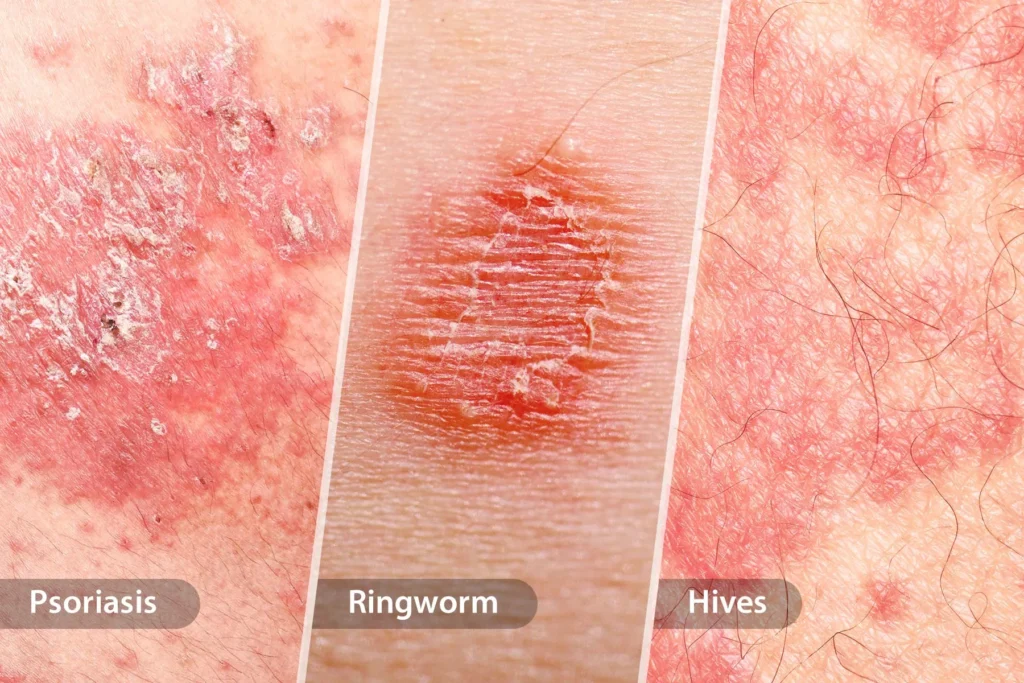
What Triggers Eczema Flare-Ups
Eczema primarily affects the skin, which is the body’s largest organ and the first line of defense against environmental factors. When the skin barrier becomes weak, it loses essential oils and moisture, leading to dryness and vulnerability. The immune system becomes hyperactive and sends inflammatory signals to the skin, causing redness and itching. Over time, the affected skin areas may thicken due to repeated scratching, and nerve endings become more sensitive, making the itching worse.
The Ongoing Impact of This Condition
Eczema causes both physical and emotional distress. Physically, it leads to persistent itching, scaling, and sometimes oozing or bleeding lesions, especially on the hands, face, neck, or legs. Continuous scratching can worsen inflammation and cause infections. Emotionally, patients often experience frustration, low self-esteem, and disturbed sleep due to itching. If left unmanaged, eczema can evolve into chronic dermatitis, scarring, and increased risk of bacterial or viral skin infections.
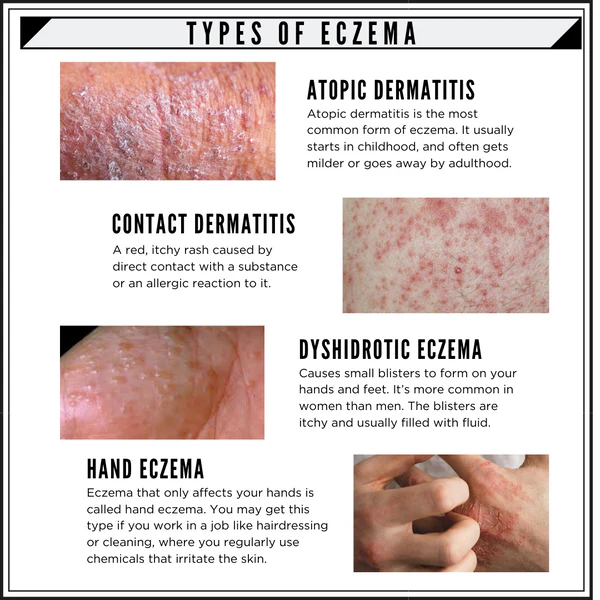
Health Outcomes of Untreated Eczema
Recent studies show that eczema cases have been rising steadily over the past few decades across the world, largely due to increasing pollution, changes in diet, and modern lifestyle habits. According to dermatological surveys, both children and adults are being diagnosed at a younger age, and the condition tends to persist longer. In India, growing urbanization, exposure to synthetic fabrics, and environmental toxins have contributed to the surge in skin-related allergies and eczema-like conditions.
| Region / Study | Key Finding | Prevalence / Data |
| Global (World Allergy Organization) | Around 230 million people are affected by eczema worldwide. | 2–10% of adults, 15–25% of children. |
| India (National Centre for Biotechnology Information – NCBI) | Eczema affects 6–10% of school-aged children and around 2–3% of adults in India. | 6–10% (children) |
| Global (Lancet Review 2023) | The global burden of eczema has increased over the past 30 years due to pollution and lifestyle changes. | Rising trend |
| India (Urban population studies) | Higher cases seen in cities due to pollution, chemical exposure, and stress. | Higher cases are seen in cities due to pollution, chemical exposure, and stress. |
The data clearly shows that eczema is not just a childhood issue anymore adults are increasingly affected, particularly in polluted and high-stress environments. The correlation between air quality and skin barrier health is gaining attention among researchers, who are emphasizing the importance of diet, hydration, and skin barrier restoration therapies.
Globally, healthcare systems are focusing on preventive education, natural therapies, and early diagnosis to manage eczema and avoid long-term complications.
Protective Measures for Sensitive Skin
To prevent eczema flare-ups, maintaining proper skin care and hygiene is essential. Always use mild, fragrance-free cleansers and moisturizers to keep the skin hydrated. Avoid hot water baths and harsh soaps that strip natural oils. Identify and avoid personal triggers like dust, pollen, pet dander, or certain foods. Manage stress through yoga or meditation, as emotional stress often worsens symptoms. Keep nails short to avoid injury from scratching, and wear breathable cotton clothes instead of wool or synthetic fabrics.
Daily Care to Keep Symptoms in Control
A simple daily routine can help in managing eczema naturally:
- Morning: Bathe with lukewarm water and apply a rich moisturizer immediately after. Eat a healthy breakfast rich in antioxidants (like fruits, seeds, and whole grains).
- Daytime: Drink plenty of water and avoid exposure to direct sunlight or pollution for long hours.
- Evening: Wash your face and hands with mild soap, reapply moisturizer, and do light stretching or meditation to reduce stress.
- Night: Have a light dinner, preferably including anti-inflammatory foods like turmeric and ginger. Sleep in a clean, cool environment to avoid sweating, which may irritate the skin.
Leave a Reply