
Understanding Hepatitis in Today’s World
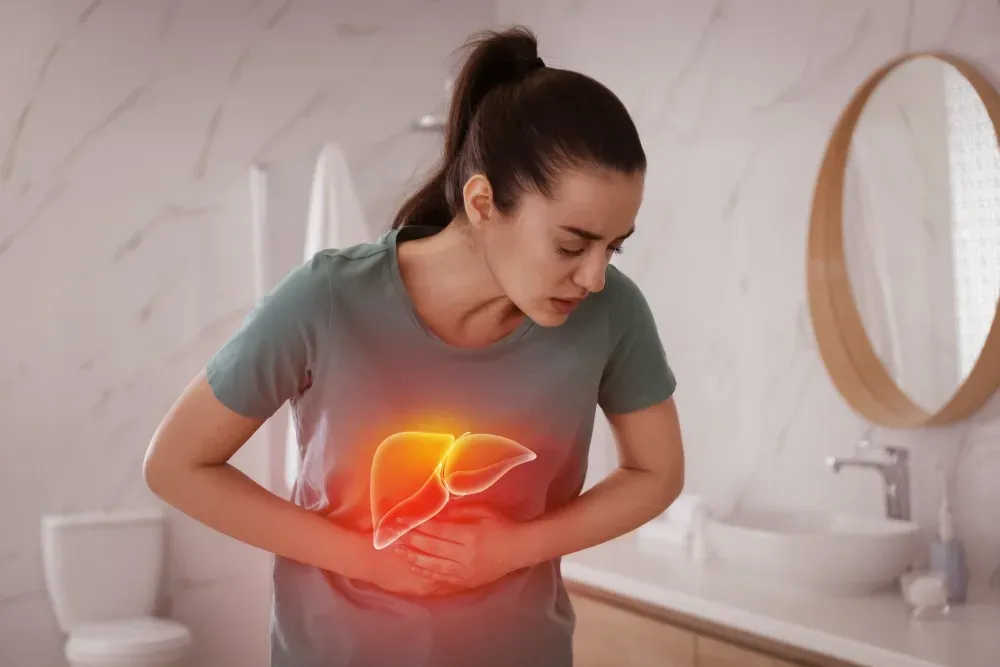
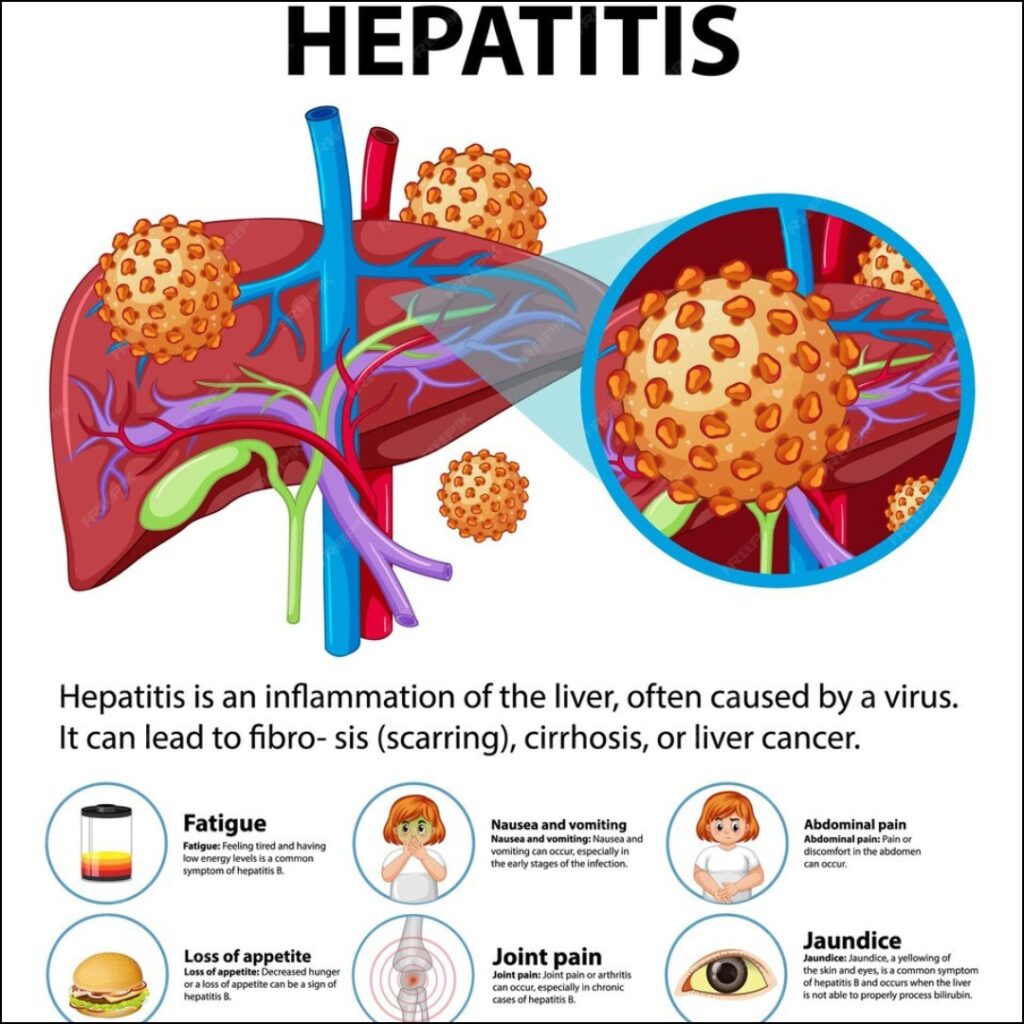
Hepatitis is a condition in which the liver becomes inflamed and unable to perform its normal functions efficiently. The liver is responsible for detoxification, digestion support, energy balance, and maintaining metabolism. When hepatitis develops, liver cells become swollen and irritated, causing symptoms such as weakness, loss of appetite, nausea, and yellowing of the skin or eyes. The condition can range from mild to severe, depending on the type of hepatitis and the immunity of the individual.
What Leads to This Liver Infection
Hepatitis most commonly occurs due to viral infections (Hepatitis A, B, C, D, and E viruses). It may also occur due to alcohol overuse, fatty liver, consumption of contaminated food or water, reactions to certain medicines, and autoimmune conditions in which the immune system attacks the liver. Poor lifestyle habits, stress, an unhealthy diet, and weak immunity can make the liver more prone to inflammation.
The Organ Most Affected in This Condition
Hepatitis directly affects the liver, which is a key organ in the digestive and metabolic system. When the liver becomes inflamed, its ability to filter toxins, produce enzymes, and regulate nutrients gets disrupted. This affects digestion, energy levels, and overall body functioning.
How Hepatitis Impacts Overall Health
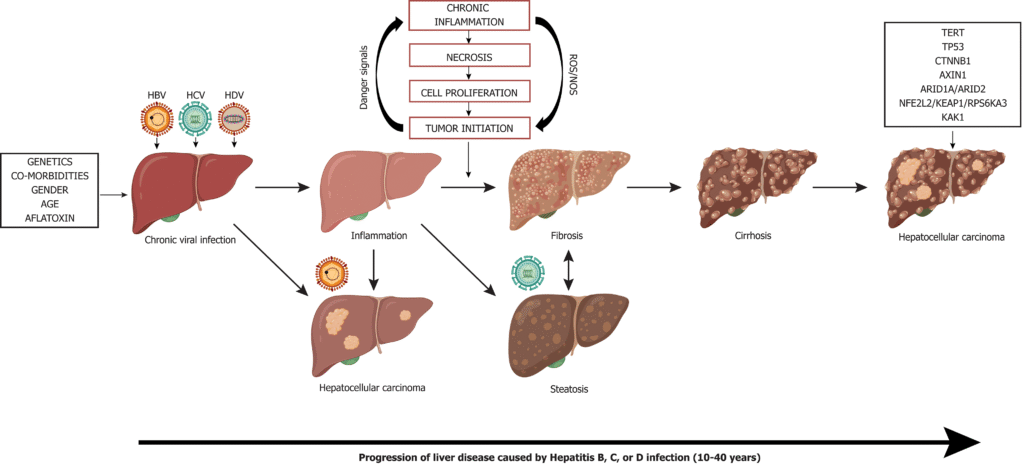
If not treated properly, hepatitis can lead to persistent fatigue, indigestion, abdominal discomfort, dark urine, pale stools, and jaundice. In severe or long-lasting cases, liver cells may get damaged, leading to fibrosis, cirrhosis (hardening of liver tissue), or even liver failure. Managing hepatitis in the early stages is essential for preventing long-term complications.
What Recent Studies Reveal About Hepatitis Cases
| Type of Hepatitis | Mode of Transmission | Common in | Severity |
| Hepatitis A | Contaminated food/water | Children & adults | Usually mild, short-term |
| Hepatitis B | Blood/body fluids | Adults, newborns | Can become chronic if untreated |
| Hepatitis C | Blood contact | Adults with exposure | Often chronic, needs monitoring |
Leave a Reply