
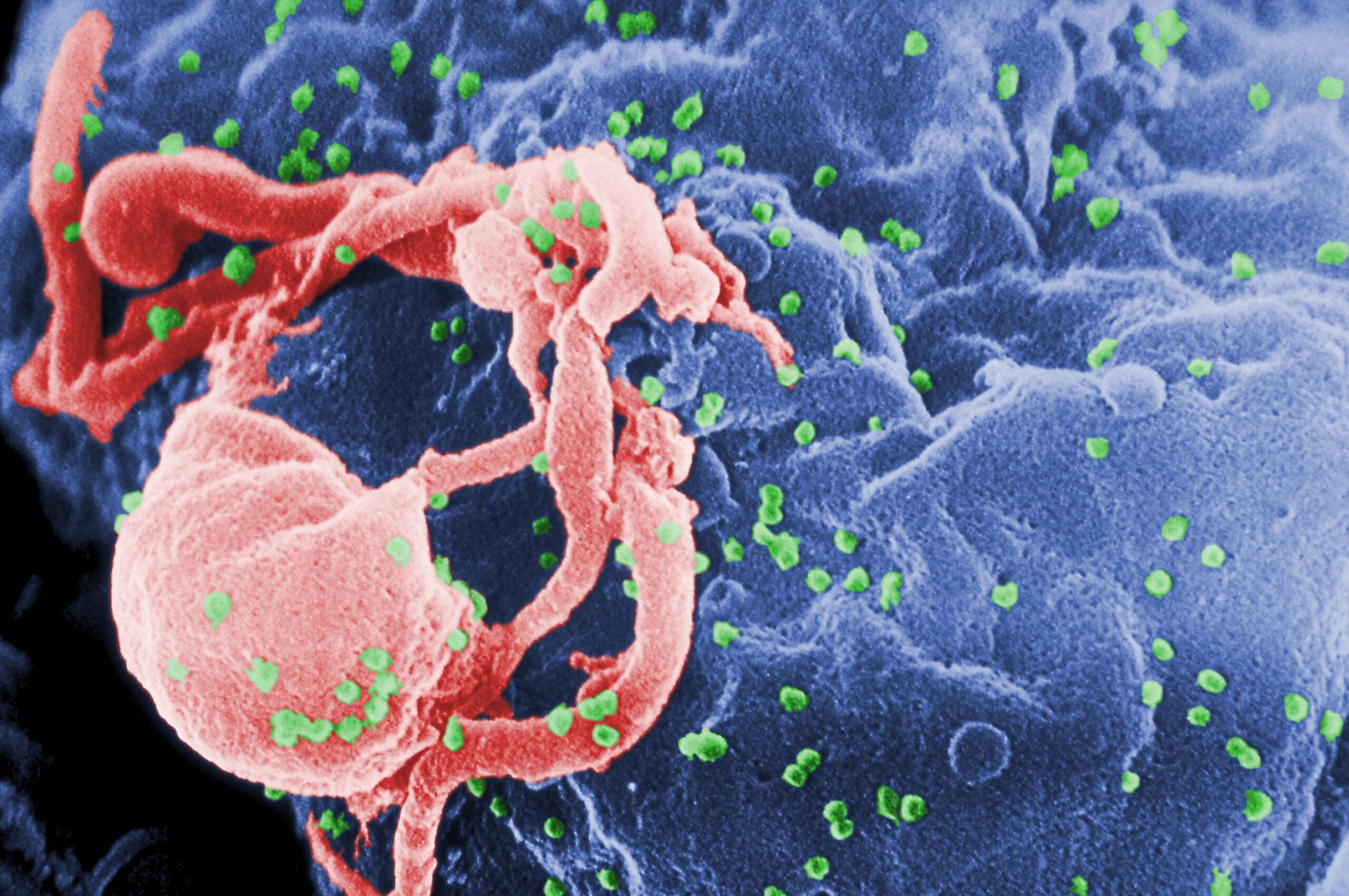
HIV (Human Immunodeficiency Virus) is a virus that attacks the body’s immune system, specifically the CD4 cells (T-cells), which help fight infections. If left untreated, HIV can gradually destroy the immune system, leading to AIDS (Acquired Immunodeficiency Syndrome), a condition where the body becomes extremely vulnerable to infections and certain cancers.
HIV spreads primarily through unprotected sexual contact, sharing of infected needles, blood transfusion, or from mother to child during pregnancy or breastfeeding. Although there is still no permanent cure for HIV/AIDS, antiretroviral therapy (ART) can control the virus, allowing people to live long and healthy lives.
Hidden Factors That Cause It
HIV is caused by a virus that spreads through direct contact with certain body fluids of an infected person. These fluids include blood, semen, vaginal and rectal secretions, and breast milk.
Major causes and modes of transmission include:
- Unprotected sexual intercourse with an infected partner
- Sharing needles or syringes used by someone with HIV
- Transfusion of contaminated blood or blood products
- Mother-to-child transmission during childbirth or breastfeeding
- Rarely, through occupational exposure (health workers handling infected instruments)
HIV does not spread through casual contact, air, water, or insect bites, a common misconception still present in society.
Where It Hits the Most
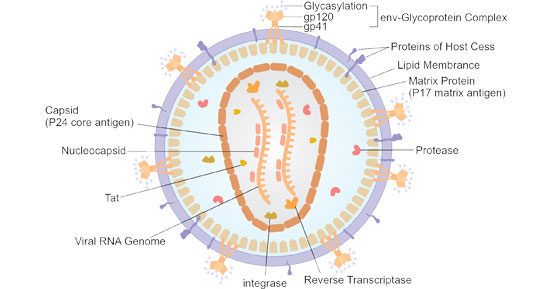
HIV primarily affects the immune system, weakening the body’s natural defense mechanism. Once the virus enters the body, it attaches itself to CD4 T-cells, using them to replicate. Over time, it destroys these cells, reducing the body’s ability to fight common bacteria, viruses, and infections.
As immunity declines, even minor illnesses become severe and persistent. The lymph nodes, spleen, and bone marrow, which produce and regulate immune cells, are directly impacted. In advanced stages, multiple organs such as the lungs, liver, brain, and skin are affected due to secondary infections and overall immune collapse.
What Happens Next
In the early stage of HIV infection, individuals may experience mild flu-like symptoms such as fever, sore throat, fatigue, or swollen lymph nodes. These signs often go unnoticed, allowing the virus to silently multiply in the body.
As the infection progresses to the chronic stage, the immune system becomes weaker. The person may experience frequent infections, weight loss, night sweats, persistent diarrhea, and skin rashes. Without treatment, HIV eventually develops into AIDS, where the body’s immunity is nearly destroyed. This stage is marked by opportunistic infections such as tuberculosis, pneumonia, fungal infections, and certain cancers like Kaposi’s sarcoma. Mental health issues such as anxiety, depression, and memory loss can also occur due to prolonged illness and stress.
Current Data
According to UNAIDS 2024 and WHO reports, around 39 million people worldwide are living with HIV, and approximately 1.3 million new infections were recorded in 2023.
In India, an estimated 2.4 million people are living with HIV. States like Maharashtra, Andhra Pradesh, Karnataka, and Telangana have higher prevalence rates. The National AIDS Control Organization (NACO) has made significant progress in awareness, testing, and treatment programs. Over 85% of HIV-positive individuals in India now have access to free antiretroviral therapy (ART), greatly improving survival and quality of life.
Globally, new infections have decreased by 38% since 2010, but challenges like stigma, lack of awareness, and limited rural healthcare access persist.
Precautions
HIV can be prevented through awareness, safe practices, and regular testing.
Important preventive steps include:
- Always use protection (condoms) during sexual contact.
- Avoid sharing needles or sharp instruments.
- Ensure safe and tested blood before transfusion.
- Pregnant women should undergo HIV screening to prevent transmission to the baby.
- Maintain regular health checkups and HIV testing if you’re at risk.
- Get educated and help reduce stigma and discrimination toward HIV-positive individuals.
Safe habits, timely awareness, and responsible behavior are key to prevention.
Daily Routine
Living with HIV requires a balanced lifestyle that supports both physical and emotional well-being.
Health & Nutrition:
- Take prescribed antiretroviral medicines (ART) regularly without missing doses.
- Eat a nutrient-rich diet with fruits, vegetables, whole grains, and protein.
- Stay hydrated and avoid alcohol or smoking.
- Include immune-boosting foods like turmeric, garlic, amla, and citrus fruits.
- Ensure adequate rest and stress management through yoga, meditation, or breathing exercises.
Lifestyle Tips:
- Maintain good hygiene to prevent infections.
- Regularly monitor your CD4 count and viral load.
- Seek emotional support from family, friends, or support groups.
- Focus on positivity. HIV is manageable with care and discipline.
Conclusion
According to Ayurveda, HIV weakens Ojas (vital energy) and disturbs the body’s natural balance, leading to poor immunity and vitality loss. Ayurvedic support focuses on strengthening immunity, cleansing toxins, and rejuvenating energy through herbs and natural tonics.
One such supportive tonic is Sea Buckthorn Juice by YTM India, which offers a natural way to restore health and vitality. Enriched with vitamin C, antioxidants, and omega fatty acids, Sea Buckthorn helps:
- Strengthen the immune system and resistance to infections
- Rebuild energy and stamina.
- Support liver and digestive health.h
- Promote skin repair and tissue healing.g
- Reduce fatigue and oxidative stress.
Leave a Reply