
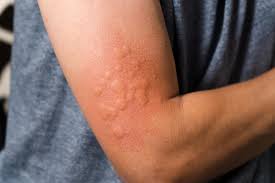
Understanding How the Body Overreacts to Everyday Triggers
Hypersensitivity is a condition in which the immune system reacts too strongly to substances that are normally harmless, such as dust, pollen, perfume, certain foods, weather changes, or even touch. Due to this overreaction, the body produces inflammation, itching, redness, swelling, or breathing issues. In simple words, the immune system becomes overly sensitive and responds excessively, causing discomfort and repeated irritation.
Exploring the Deep-Rooted Causes Behind Immune Overreaction
Hypersensitivity often occurs when the immune system loses its balance and becomes hyperactive. Common reasons include genetic tendency, repeated exposure to allergens, pollution, weak digestion, stress, and previous severe infections. In some individuals, the immune system starts identifying normal substances as threats. Lack of sleep, unhealthy diet, cold exposure, and weakened respiratory health can also increase the body’s sensitivity.
Where Hypersensitivity Hits the Body the Hardest
Hypersensitivity affects the immune system and can show symptoms in different parts of the body depending on the trigger. It may affect the skin (rashes, itching), the nose and respiratory system (sneezing, blocked nose, difficulty breathing), or the digestive system (bloating, discomfort after eating). The reaction depends on how the immune system responds to the allergen.
How Hypersensitivity Disrupts Daily Life and Well-Being
If not managed, hypersensitivity may lead to frequent skin rashes, allergy flare-ups, sneezing episodes, watery eyes, breathing discomfort, continuous itching, or digestive irritation. In some cases, the reactions can become severe during weather changes or dust exposure. Repeated hypersensitivity weakens the body’s tolerance and reduces overall quality of life.
What Recent Studies Reveal About Rising Hypersensitivity Cases
| Pollen, smoke, and weather change | Area Affected | Common Trigger | Common Age Group |
| Skin Hypersensitivity | Skin surface | Dust, fabric, heat, cosmetics | All ages |
| Respiratory Hypersensitivity | Nose & chest airways | Pollen, smoke, weather change | Children & adults |
| Food Hypersensitivity | Digestive system | Milk, wheat, nuts, packaged food | Children & sensitive individuals |
Leave a Reply