
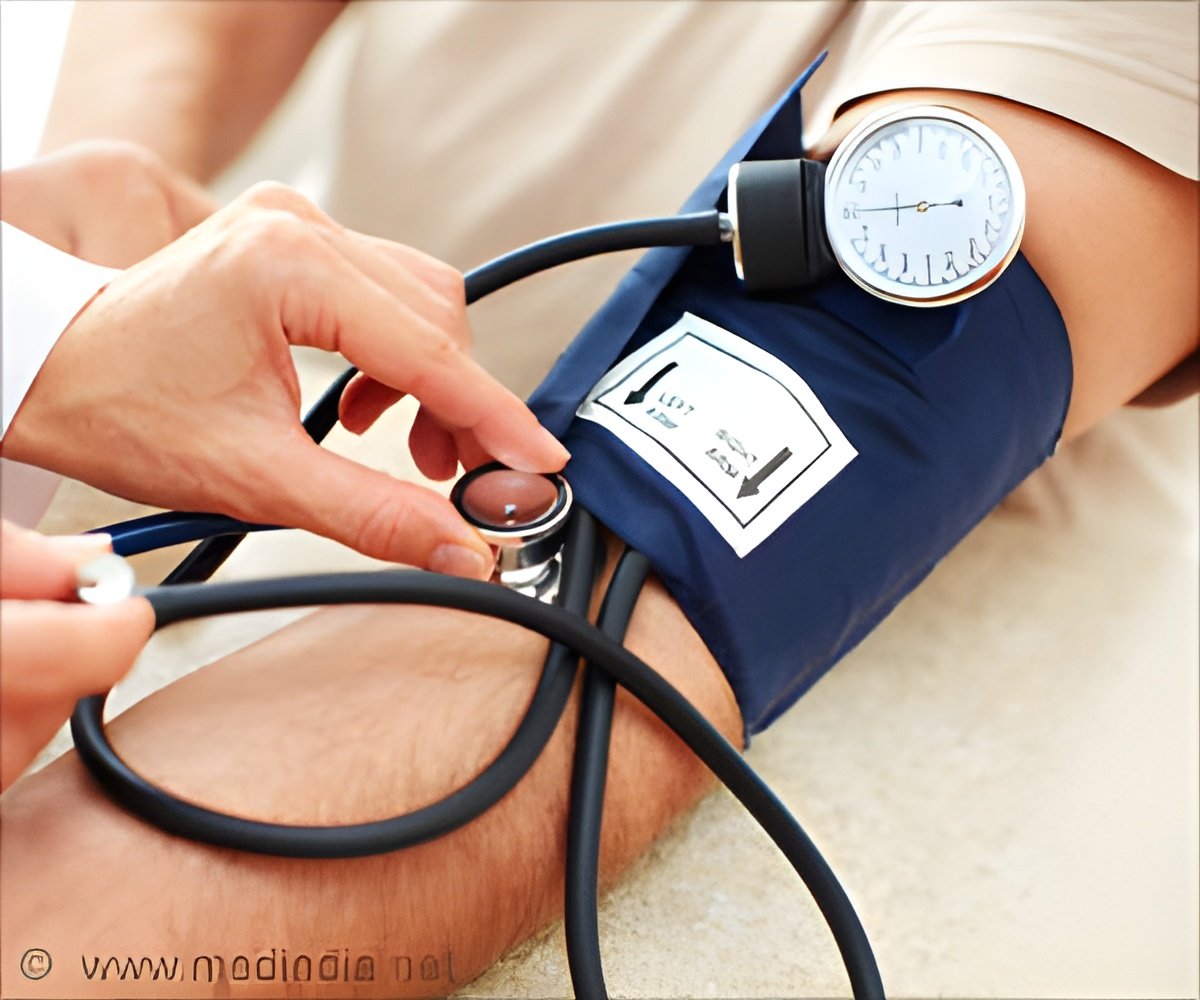
Hypertension, or high blood pressure, occurs when the force of blood pushing against the walls of the arteries is consistently too high. Over time, this increased pressure forces the heart to work harder, and the arteries can become less flexible and more narrow. Blood pressure readings are given in two numbers: systolic (when the heart beats) and diastolic (when the heart is at rest). According to the World Health Organization (WHO), hypertension is diagnosed when readings are persistently 140/90 mm Hg or higher.
Uncovering the Hidden Reasons and Risks of Hypertension
Hypertension develops for several reasons. Some of the key causes and risk factors include:
- Lifestyle factors: High salt intake, obesity, physical inactivity, excessive alcohol consumption, smoking, and chronic stress increase the risk of raised blood pressure.
- Age and genetics: As people age, their arteries tend to stiffen, raising the risk of hypertension; family history also plays an important role.
- Underlying medical conditions: Conditions such as kidney disease, sleep apnea, and endocrine disorders can lead to secondary hypertension.
How Hypertension Impacts the Body: The Key Organs and Systems Affected
Hypertension can have widespread effects throughout the body because the circulatory system touches almost every organ. Some important impacts include:
- Heart: The heart has to pump harder, which may cause thickening of the heart muscle (left ventricular hypertrophy) and eventually heart failure.
- Arteries and blood vessels: Over time, high pressure damages the lining of arteries, causing them to stiffen or narrow and increasing the risk of atherosclerosis, heart attack, and stroke.
- Kidneys: Hypertension can injure the small vessels in the kidneys, reducing their ability to filter waste and leading to chronic kidney disease.
- Brain and eyes: High blood pressure can damage the blood vessels in the brain and the retina of the eye, raising the risk of stroke, cognitive decline, and vision problems.
Different Forms of Hypertension and Their Characteristics
Hypertension is broadly classified into two types:
- Primary (Essential) Hypertension: This is the most common form (around 90-95 % of cases) and has no identifiable single cause; rather, it develops gradually over years due to a combination of genetic and lifestyle factors.
- Secondary Hypertension: This type is caused by an underlying condition such as kidney disease, endocrine disorders, certain medications, or obstructive sleep apnea. When the underlying cause is treated, blood pressure may improve.
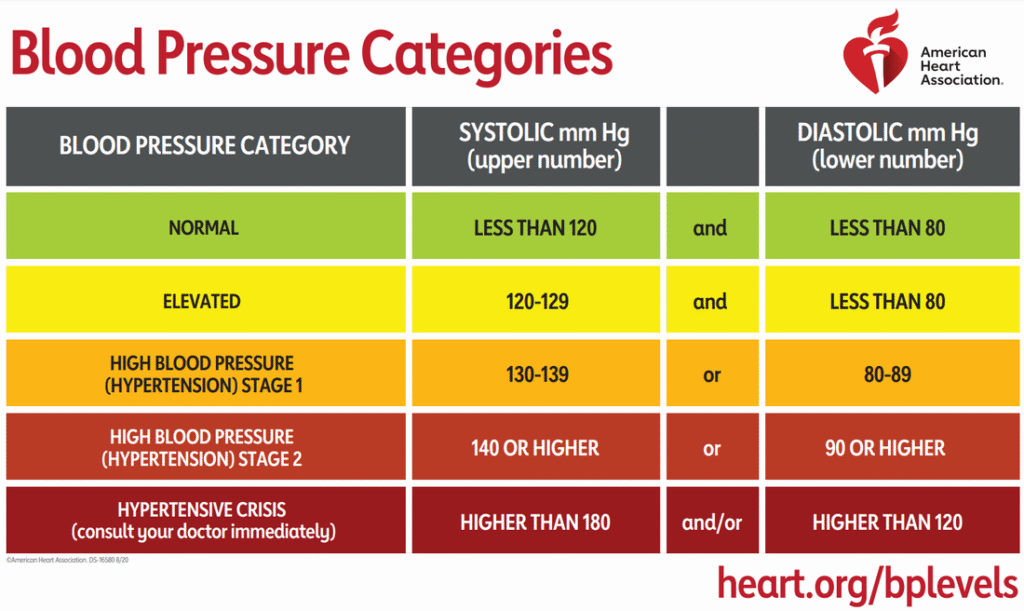
Current Data & Trends (Especially India)
Recent studies show the burden of hypertension is increasing significantly in India. According to a 2023 meta-analysis, the age-standardized prevalence of hypertension in India is 28.1 % overall, with higher rates in urban areas (32.6 %) compared with rural areas (25.9 %). Another study (2019-21) found the prevalence is around 22.6 % nationally, with men at 24.1 % and women at 21.2 % and a higher prevalence among older age groups (48.4 % in those aged 60 and above). These figures underscore that hypertension is a significant public health issue in India. Only a small percentage of people with hypertension have their blood pressure under control, making the condition both widespread and under-managed.
How Can Hypertension Be Managed or Treated?
Hypertension often requires a combination of lifestyle changes and medication when needed. Key strategies include:
- Dietary shifts: Reducing salt intake, eating plenty of fruits, vegetables, whole grains, lean protein, and avoiding high-fat and high-sugar foods.
- Physical activity: Regular exercise at least 150 minutes of moderate aerobic activity per week helps lower blood pressure, reduce weight, and improve vascular health.
- Weight management: Losing even a small amount of weight can lead to measurable reductions in blood pressure.
- Medication & prescription plans: Depending on your readings and risk factors, a doctor may prescribe antihypertensive medications. Regular monitoring and adherence are essential.
- Stress management & sleep: Since stress and poor sleep contribute to elevated blood pressure, practices such as yoga, meditation, and good sleep hygiene also play a role.
- Regular monitoring: Having your blood pressure checked routinely is vital because hypertension often shows no obvious symptoms (hence called the “silent killer”).
Precautions & Things to Keep in Mind
Prevention and ongoing care are just as important as treatment. Some key precautions:
- Don’t ignore blood pressure readings even if you feel fine; high blood pressure may be present unnoticed.
- Avoid high-salt processed foods and limit alcohol intake.
- Maintain a healthy body weight and waist circumference.
- Stay physically active and limit sedentary time.
- Monitor and manage other conditions that raise hypertension risk, such as diabetes, kidney disease, or sleep apnea.
- If already diagnosed, adhere to your medication and visit your doctor regularly. Late diagnosis or poor control can lead to complications like heart attack, stroke, kidney failure, and vision loss.
Leave a Reply