
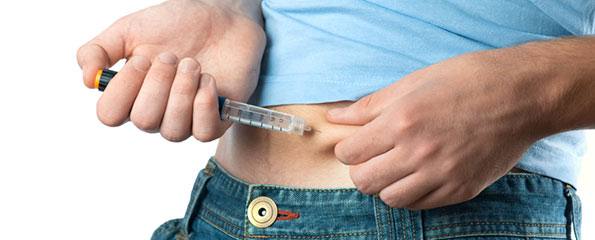
When the Body Loses Its Insulin Balance
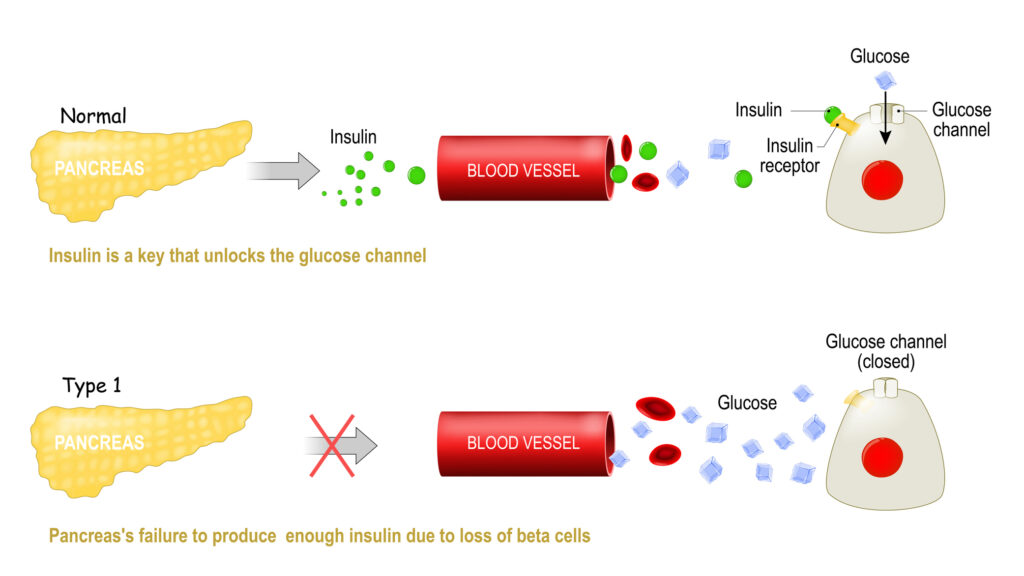
Type 1 Diabetes, also known as Insulin-Dependent Diabetes Mellitus (IDDM) or Juvenile Diabetes, is a chronic condition in which the body’s immune system mistakenly destroys the insulin-producing beta cells of the pancreas. As a result, the body produces little or no insulin, the hormone responsible for regulating blood sugar (glucose) levels.
Without insulin, glucose cannot enter the cells for energy and instead builds up in the bloodstream, leading to dangerously high blood sugar levels. Type 1 Diabetes usually develops in childhood or adolescence but can also occur in adults. It requires lifelong management with insulin therapy, a balanced diet, and healthy lifestyle habits.
Hidden Causes Behind Type 1 Diabetes
The exact cause of Type 1 Diabetes is not fully understood, but it is believed to involve a combination of genetic, environmental, and autoimmune factors.
Some major causes and triggers include:
- An autoimmune reaction where the immune system attacks pancreatic beta cells.
- Genetic predisposition, having a family history of diabetes, increases risk.
- Viral infections such as Coxsackievirus or mumps may trigger autoimmunity.
- Environmental factors like early exposure to cow’s milk, low vitamin D, or toxins.
- Stress or physical trauma may accelerate immune dysfunction.
Unlike Type 2 Diabetes, Type 1 cannot be prevented or reversed; it must be managed carefully with medical and lifestyle support.
The Part of the Body That Gets Affected
Type 1 Diabetes primarily affects the pancreas, which is responsible for producing insulin. When the beta cells in the pancreas are destroyed, the body loses its natural ability to regulate blood glucose levels. This directly impacts the endocrine system, leading to hormonal imbalance.
Over time, the circulatory, nervous, and cardiovascular systems also become affected due to persistently high blood sugar levels. The heart, kidneys, eyes, and nerves are particularly vulnerable, making regular monitoring and lifestyle control essential for long-term health.
Health Outcomes of Uncontrolled Type 1 Diabetes
Uncontrolled Type 1 Diabetes can lead to serious short-term and long-term complications. In the short term, lack of insulin causes fatigue, frequent urination, increased thirst, blurred vision, and weight loss. If untreated, it may lead to Diabetic Ketoacidosis (DKA), a life-threatening condition where the body produces excess ketones due to fat breakdown for energy.
In the long term, high blood sugar damages blood vessels and nerves, leading to heart disease, kidney failure, vision loss, poor wound healing, and nerve damage (neuropathy). Emotional and mental health may also suffer due to the stress of lifelong management. However, with early diagnosis, disciplined care, and Ayurvedic support, most individuals can lead a healthy, active life.
Target Organ in Type 1 Diabetes
According to the World Health Organization (WHO, 2024), nearly 9 million people worldwide are living with Type 1 Diabetes. The number is increasing by approximately 3–4% every year, especially among children and teenagers.
In India, around 2 lakh new cases of Type 1 Diabetes are diagnosed annually, with a noticeable rise in urban regions. The International Diabetes Federation (IDF) reports that India ranks among the top countries in the world for Type 1 Diabetes prevalence in children under 15 years.
Recent advances in healthcare, like continuous glucose monitoring (CGM) and artificial pancreas systems, are improving the quality of life for patients. However, lifestyle awareness and early screening remain key to preventing complications.
Important Care Measures to Prevent Complications
Although Type 1 Diabetes cannot be fully prevented, its complications can be minimized by maintaining a disciplined lifestyle and monitoring blood sugar regularly.
Key precautions include:
- Taking insulin injections or using an insulin pump as prescribed.
- Monitor blood sugar levels daily with a glucometer.
- Following a balanced diet rich in fiber, vegetables, and complex carbohydrates.
- Avoiding sugary foods, processed items, and unhealthy fats.
- Engaging in regular exercise to maintain blood flow and body weight.
- Managing stress through yoga, meditation, or relaxation techniques.
- Getting regular eye, kidney, and heart checkups to detect early complications.
Discipline and awareness are the most effective tools for managing Type 1 Diabetes successfully.

How to Manage Your Day Effectively
To live well with Type 1 Diabetes, following a stable and supportive daily routine is essential.
Morning:
- Check fasting blood sugar levels.
- Take the insulin dose as prescribed.
- Eat a high-protein, low-sugar breakfast (like oats, eggs, or sprouts).
- Include a morning walk or light yoga.
Daytime:
- Eat small, balanced meals every 3–4 hours.
- Stay hydrated with water and herbal drinks.
- Monitor blood sugar during long working hours or physical activity.
Evening/Night:
- Eat an early dinner with vegetables and whole grains.
- Avoid skipping insulin doses.
- Do light stretching or meditation to reduce stress.
- Check nighttime blood sugar before sleep.
This structure keeps the body balanced, prevents sugar spikes, and supports long-term vitality.
Protective Actions You Should Take
According to Ayurveda, diabetes is known as “Madhumeha”, a condition resulting from Vata and Kapha imbalance leading to improper metabolism of sugar and fat. Ayurveda emphasizes balancing these doshas, rejuvenating the pancreas, and supporting overall vitality through herbs, diet, and lifestyle practices.
For natural wellness support, YTM India’s Sea Buckthorn Juice and Hridu Rakshak Ras can play a valuable role in promoting metabolic health.
- Sea Buckthorn Juice is rich in omega fatty acids, vitamin C, and antioxidants, which help improve insulin sensitivity, enhance cell regeneration, and support immunity.
- Hridu Rakshak Ras, made from Arjun, Lahsun, Saunth, lemon, apple cider, and honey, helps maintain healthy blood circulation, strengthens the heart, and supports energy balance, all of which are important for diabetic wellness.
Leave a Reply