
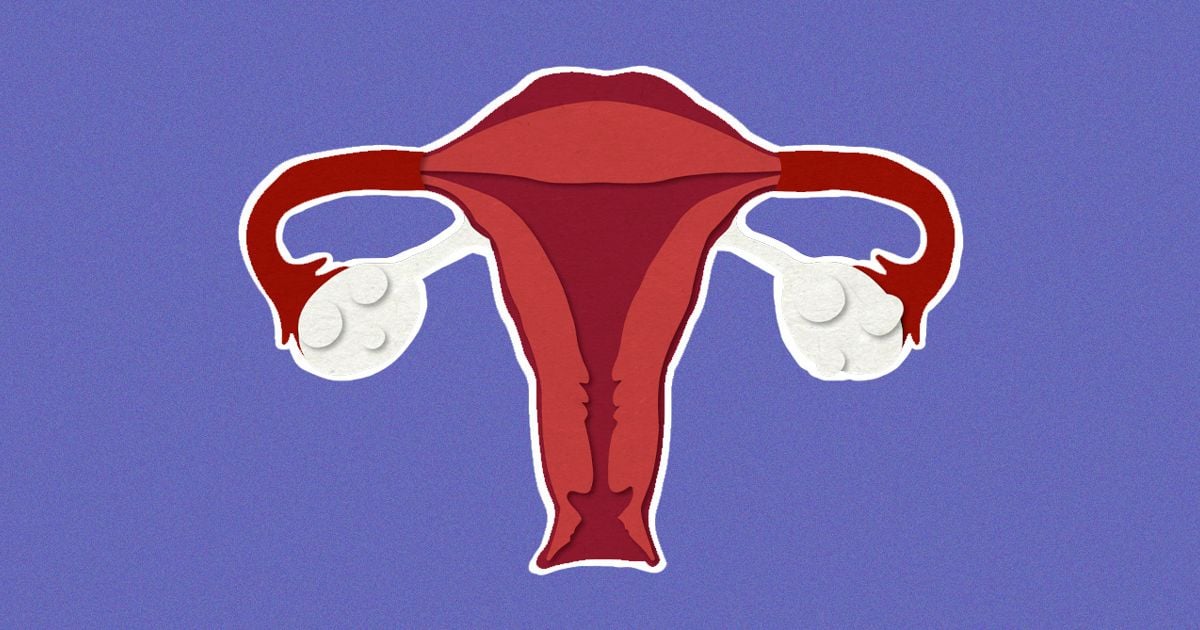
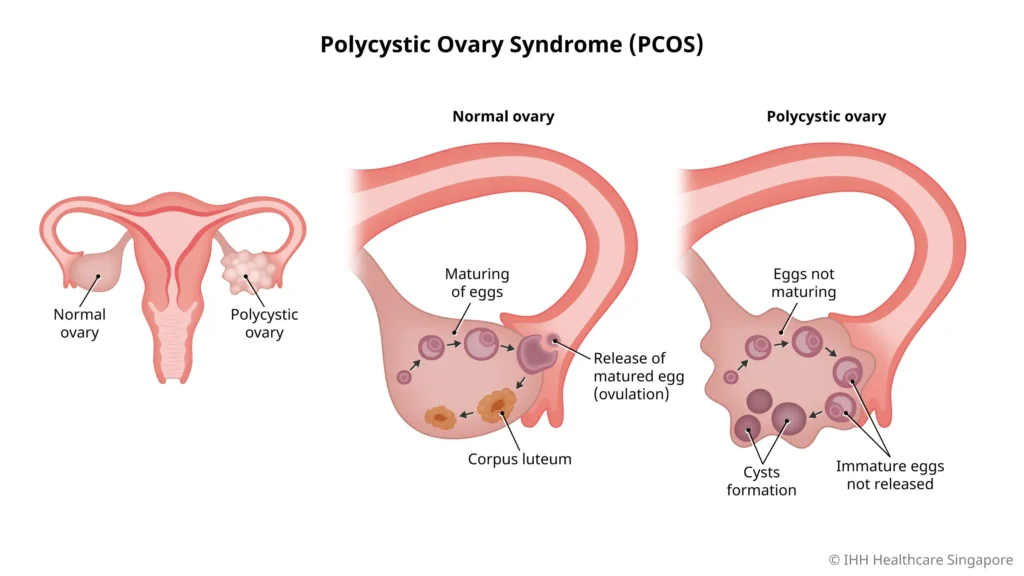
Polycystic Ovary Syndrome (PCOS) is a hormonal disorder that affects the balance of reproductive hormones in women, especially during their reproductive years. It occurs when the ovaries produce excess androgens (male hormones), resulting in irregular menstrual cycles, the formation of small cysts on the ovaries, and metabolic imbalances. PCOS is not just a reproductive issue; it also affects metabolism, weight, insulin response, mood, and overall health. It is one of the most common endocrine disorders in women today, yet it remains widely misunderstood and underdiagnosed.
Hormonal Imbalances, Genetics, and Lifestyle Factors
PCOS develops due to a combination of internal and external triggers. Insulin resistance is the leading contributor, causing the body to produce more insulin than normal, which in turn stimulates excess androgen production. Genetics plays a major role; women with a family history of diabetes, obesity, or PCOS are at greater risk. Chronic stress, poor sleep, unhealthy diet, and lack of exercise also disrupt hormonal balance. Environmental factors, such as endocrine-disrupting chemicals (EDCs) and pollution, further exacerbate hormonal imbalances. PCOS is not caused by a single factor, but rather by multiple overlapping factors that affect metabolism and reproductive hormones.
Organs, Systems, and Internal Functions Affected
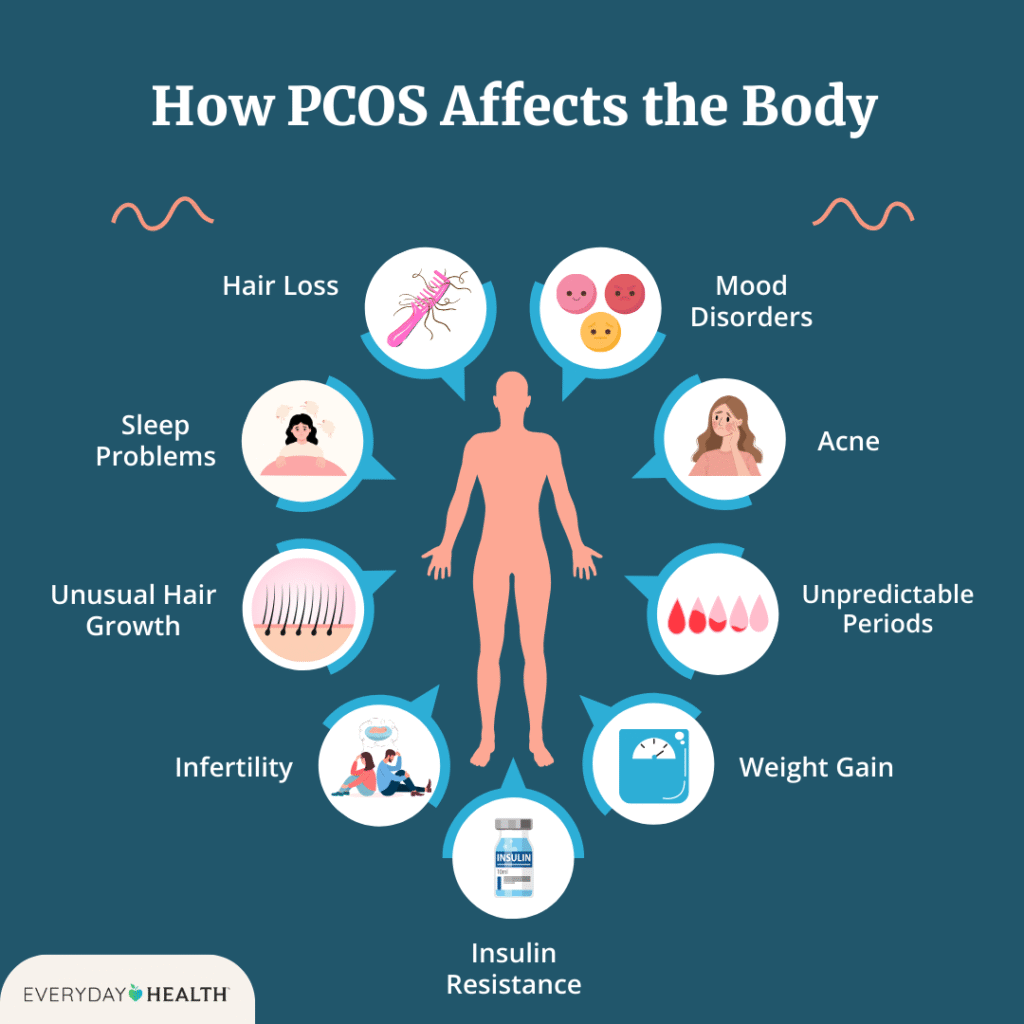
PCOS affects much more than the ovaries. It influences several major organs and systems, including:
- Reproductive System: Irregular or missed periods, infertility, ovarian cysts.
- Endocrine System: Hormonal imbalance, elevated insulin, and androgens.
- Skin & Hair: Acne, excessive facial hair, hair thinning (androgenic alopecia).
- Metabolism: Weight gain, difficulty losing weight, increased abdominal fat.
- Mental Health: Anxiety, depression, mood fluctuations.
- Cardiovascular System: Increased risk of high cholesterol, hypertension, and heart disease.
Because PCOS affects multiple systems at once, it requires a holistic approach to management.
The Visible and Hidden Effects of PCOS on Daily Life and Long-Term Health
PCOS can significantly affect a woman’s physical, emotional, and reproductive health. Visible symptoms include acne, hair thinning, and weight gain, which impact confidence and self-image. Menstrual irregularities can cause fertility challenges, making conception difficult for many women. Over the long term, PCOS increases the risk of type 2 diabetes, high blood pressure, fatty liver disease, sleep apnea, and uterine cancer due to consistent hormonal imbalance. Beyond physical symptoms, the emotional toll of stress, mood disorders, and frustration can deeply affect daily life.
Prevalence, Trends, and Data from India & Worldwide
PCOS is rapidly rising worldwide. Current research shows:
- Globally, PCOS affects 1 in every 10 women of reproductive age.
- In India, the prevalence ranges from 12% to 22% among women aged 15–45.
- Urban women have a significantly higher risk due to lifestyle factors.
- A 2023 Indian study showed that over 35% of adolescent girls show PCOS symptoms, often triggered by stress, junk food, and lack of activity.
- PCOS is now recognized as one of the leading causes of infertility in women under 30.
| Urban women show a significantly higher risk due to lifestyle, stress, and diet. | Statistics / Findings |
|---|---|
| Global Prevalence | PCOS affects 1 in every 10 women of reproductive age worldwide. |
| India Prevalence (Overall) | 12% to 22% of women aged 15–45 are affected. |
| Higher Risk Group | Urban women show a significantly higher risk due to lifestyle, stress, and diet. |
| Adolescent Girls (India, 2023 Study) | 35% + adolescent girls show PCOS symptoms linked to junk food, inactivity, and stress. |
| Infertility Link | PCOS is now one of the leading causes of infertility in women under age 30. |
Leave a Reply