
When Skin Cells Multiply Faster Than They Should
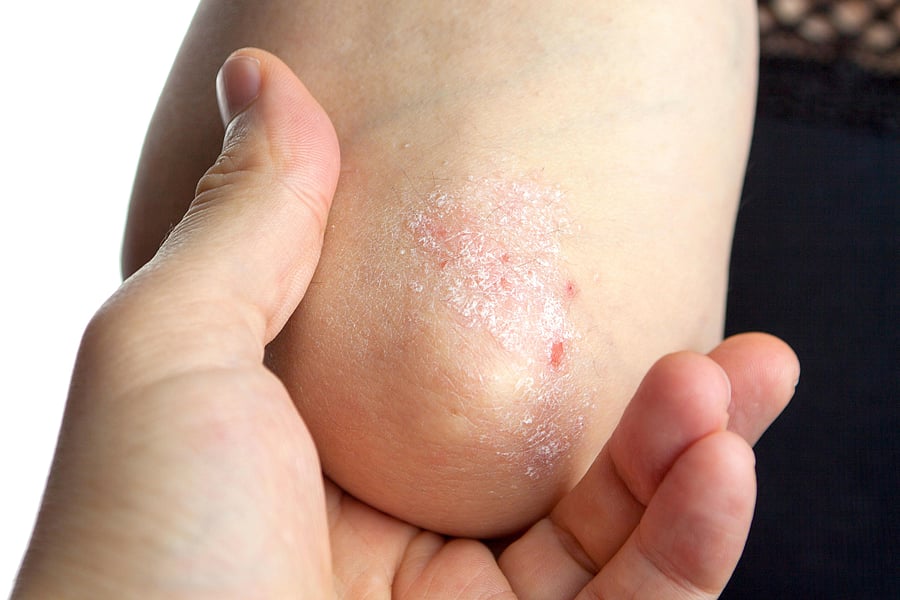
Psoriasis is a chronic skin condition in which the skin cells multiply faster than normal. This causes thick, dry, red patches covered with white or silvery scales. These patches can appear on the scalp, elbows, knees, back, or any part of the body. Psoriasis is not contagious, meaning it does not spread from person to person by touch. However, it is long-lasting and often occurs in episodes, becoming more severe during stress, illness, or weather changes.
What Drives the Rapid Skin Cell Build-Up in Psoriasis
Psoriasis mainly occurs due to an autoimmune imbalance, where the immune system becomes overactive and starts attacking healthy skin cells. This speeds up the skin cell turnover cycle. Common triggers include stress, infections, cold weather, skin injuries, hormonal imbalance, smoking, alcohol, and certain medications. Family history and weak immune response can also increase the risk of psoriasis.
Where Psoriasis Shows Its Impact Inside the Body
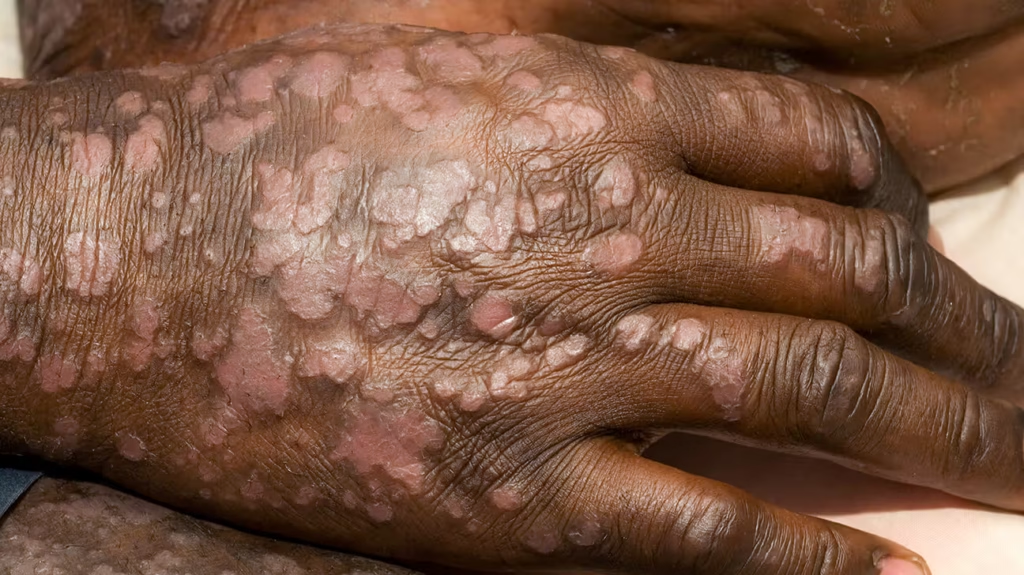
Psoriasis affects the skin and the immune system. The immune system mistakenly signals the body to produce skin cells rapidly, leading to inflammatory patches. In some individuals, psoriasis may also affect the joints, causing pain and swelling (Psoriatic Arthritis).
How Psoriasis Changes Skin Health and Daily Comfort
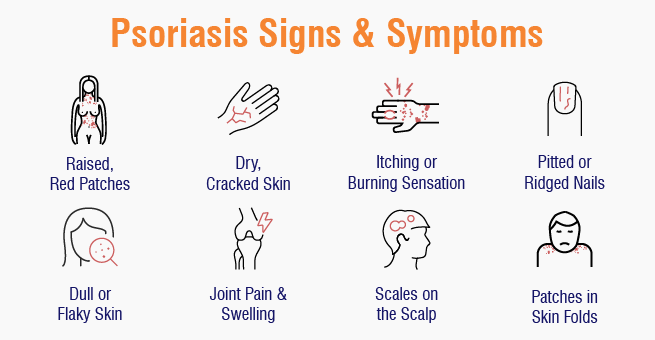
Psoriasis can cause itching, burning, dryness, cracking of the skin, and emotional stress. Visible patches may affect confidence and self-image. When joints are affected, there may be stiffness and pain. Psoriasis is chronic, meaning it may come and go in cycles. If ignored, flare-ups may become more frequent and severe.
What Today’s Research Reveals About Psoriasis Cases
| Thick scales on the scalp | Appearance | Common Area | Trigger |
| Plaque Psoriasis | Red patches with silvery scales | Elbows, knees, scalp | Stress, cold weather |
| Scalp Psoriasis | After a throat infection | Scalp & hairline | Dryness, immune imbalance |
| Guttate Psoriasis | Small drop-like spots | Trunk & limbs | After throat infection |
Recent data indicate psoriasis cases are increasing due to stressful lifestyles, poor sleep quality, processed food intake, and weakened immunity.
Steps That Help Reduce Psoriasis Flare-Ups
Avoid scratching or peeling skin, as it worsens patches. Keep skin moisturized to reduce dryness. Avoid cold exposure, smoking, and alcohol. Reduce stress through meditation or slow breathing exercises. Choose soft cotton clothing to prevent irritation. Maintain a clean scalp and avoid harsh chemical-based products. Strengthening immunity is essential to prevent flare-ups.
Leave a Reply