
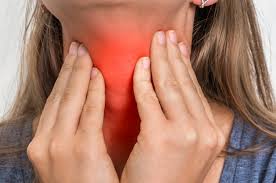
“Understanding Tonsillitis: When Your Throat Becomes Inflamed”
Tonsillitis is the inflammation of the tonsils, which are two soft tissue glands located at the back of the throat. These glands play a crucial role in protecting the body from infections by serving as the first line of defense. When bacteria or viruses infect the throat, the tonsils become swollen, red, and painful, making it difficult to swallow, speak, or even breathe comfortably. Tonsillitis is common in children but can affect people of all ages, particularly when their immunity is weakened.
Why Tonsillitis Develops
The primary cause of tonsillitis is viral or bacterial infection. It often appears after a common cold, flu, or throat infection. Exposure to cold air, drinking chilled water, sharing utensils, unhygienic eating habits, and frequent contact with infected individuals can trigger tonsillitis. Weak immune system, seasonal changes, pollution, and repeated throat infections also increase the chances of tonsillitis.
Areas of the Body Impacted by Tonsillitis
Tonsillitis mainly affects the throat and upper respiratory system. The tonsils become enlarged and inflamed, causing pain while swallowing. In some cases, the infection may spread to nearby areas like the throat lining, glands, and ears, leading to further discomfort and difficulty in speaking or breathing.
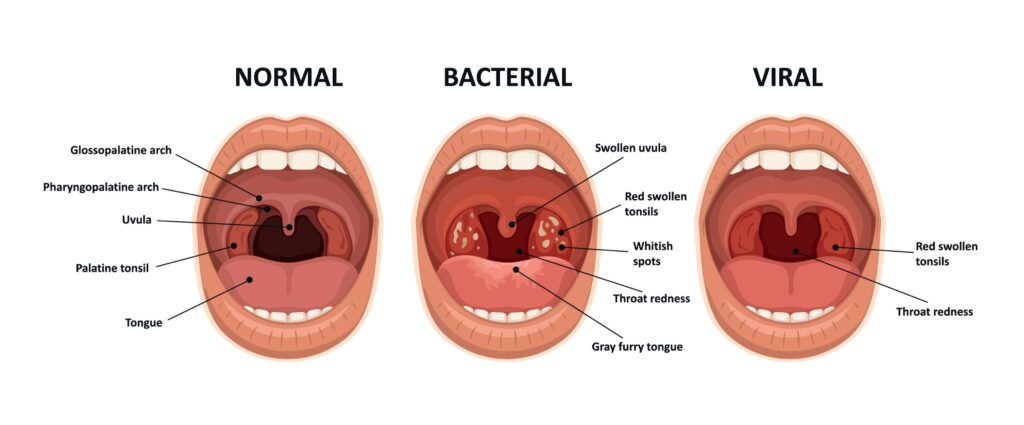
How Tonsillitis Affects Your Health
Tonsillitis mainly affects the throat and upper respiratory system. The tonsils become enlarged and inflamed, causing pain while swallowing. In some cases, the infection may spread to nearby areas like the throat lining, glands, and ears, leading to further discomfort and difficulty in speaking or breathing.
Latest Facts and Statistics
| Children and adults during weather changes | Duration | Common in | Primary Cause |
| Acute | 3–10 days | Low-immunity individuals | Viral infection |
| Recurrent | Multiple episodes in a year | Low immunity individuals | Repeat throat infections |
| Chronic | Long-term or persistent | Allergy-prone and weak immunity groups | Bacterial infection & lifestyle factors |
Leave a Reply