
Dengue fever is a mosquito-borne viral infection caused by the Dengue virus (DENV), transmitted mainly by the Aedes aegypti mosquito. This mosquito usually bites during the early morning and late afternoon hours.
Dengue is often called “breakbone fever” because of the intense muscle and joint pain it causes. The infection can range from mild flu-like illness to severe or life-threatening conditions, such as Dengue Hemorrhagic Fever (DHF) or Dengue Shock Syndrome (DSS).
With rapid urbanization, stagnant water, and changing climate patterns, dengue has become one of the fastest-growing vector-borne diseases in tropical and subtropical regions.
Why did it happen?
Dengue is caused by the bite of a female Aedes mosquito infected with the dengue virus.
There are four strains of the virus: DENV-1, DENV-2, DENV-3, and DENV-4. A person infected with one strain can be infected again by another, which increases the risk of severe complications.
Major causes include:
- Stagnant water in pots, tanks, tires, or coolers where mosquitoes breed.
- An uncontrolled mosquito population due to poor sanitation.
- Lack of protective measures, such as mosquito nets or repellents.
- Climate changes, including rising humidity and rainfall, favor mosquito breeding.
Infections spread rapidly in densely populated areas where hygiene is poor and mosquito control programs are limited.
Affected Organ / System
Dengue primarily affects the immune system and circulatory system, while also impacting several body organs indirectly.
- The virus enters the bloodstream and attacks white blood cells, lowering immunity.
- It damages blood vessels and platelets, leading to internal bleeding and bruising.
- The liver and spleen can become swollen.
- Severe cases may cause fluid leakage, low blood pressure, and shock.
People with compromised immune systems are most vulnerable to the infection and its rapid progression.
Which Body Parts and Systems Does TB Affect?
Although TB is primarily a lung disease (pulmonary TB), it can spread through the bloodstream to affect:
- Lymph nodes, causing swelling and pain.
- Bones and joints, leading to stiffness and chronic pain.
- Kidneys and urinary tract, resulting in blood in the urine.
- Brain (tubercular meningitis), which causes severe headaches, vomiting, and seizures.
- Spine (Pott’s disease), causing back pain and deformity in advanced stages.
Types of Tuberculosis
- Latent TB: The bacteria remain inactive and cause no symptoms, but can become active later if immunity drops.
- Active TB: The infection becomes symptomatic and contagious, requiring immediate treatment.
- Drug-resistant TB: A more dangerous form where bacteria resist standard antibiotics due to incomplete or improper treatment.
- Extrapulmonary TB: When infection spreads beyond the lungs to other organs.
Current Data and Trends (Especially India)
India continues to bear the highest TB burden in the world.
According to the Global TB Report 2024 by WHO:
- India accounted for 27% of global TB cases.
- Nearly 2.8 million people in India were estimated to have TB in 2023.
- Around 500,000 deaths were linked to TB annually in the country.
- Drug-resistant TB (DR-TB) cases make up almost 20% of all global MDR-TB cases.
- Urban slums and rural communities remain the most affected due to poor sanitation, poverty, and weak immunity.
This shows that while TB is preventable and curable, it continues to spread due to a lack of awareness, late diagnosis, and weakened immunity among vulnerable populations.
Symptoms and Early Warning Signs
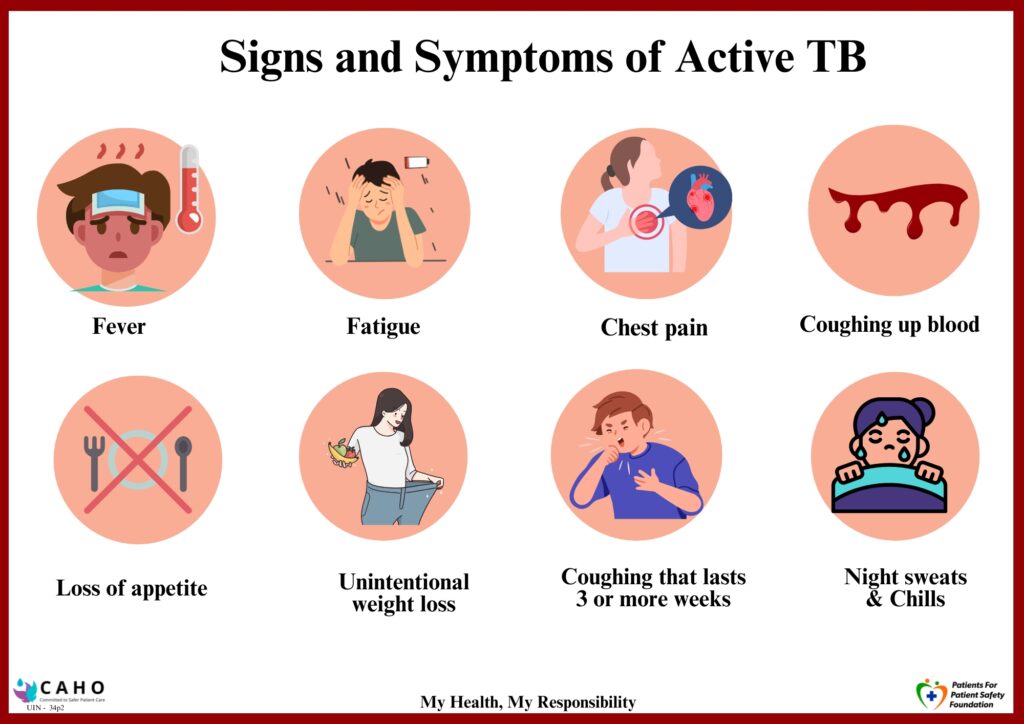
TB symptoms depend on the organ affected, but common signs include:
- Persistent cough lasting more than three weeks.
- Coughing up blood or sputum.
- Night sweats, fever, and unexplained weight loss.
- Chest pain and difficulty breathing.
- Fatigue and weakness.
Anyone experiencing these symptoms should undergo a TB test immediately for early detection and treatment.
Diagnosis and Treatment
Doctors diagnose TB through:
- Sputum test (Microscopy/CBNAAT) to detect bacteria.
- Chest X-ray for lung infection.
- Blood tests and skin tests (Mantoux test) to confirm infection.
Treatment includes a combination of antibiotics over 6–9 months under - Directly Observed Treatment Short Course (DOTS) program.
- Treatment adherence is critical to prevent relapse or drug resistance.
Prevention and Immunity Support
- Vaccination: The BCG vaccine provides protection, especially in children.
- Good nutrition: Eating foods rich in protein, vitamins, and antioxidants helps boost immunity.
- Healthy lifestyle: Avoid smoking, alcohol, and exposure to pollution.
- Regular health checkups for early detection.
- Strong immunity acts as the first line of defense against TB infection.
Leave a Reply