

The Beginning of the Infection Journey
Typhoid fever is a bacterial infection caused by Salmonella typhi, which spreads mainly through contaminated food and water. It affects the intestines and bloodstream, leading to symptoms such as high fever, weakness, abdominal pain, and digestive discomfort. This disease remains a significant health challenge in developing countries, where sanitation and hygiene are often inadequate.
Typhoid develops gradually, usually appearing 1 to 3 weeks after exposure. Without timely treatment, it can cause severe intestinal complications, dehydration, or even death.

Underlying Reasons Behind Typhoid Infection
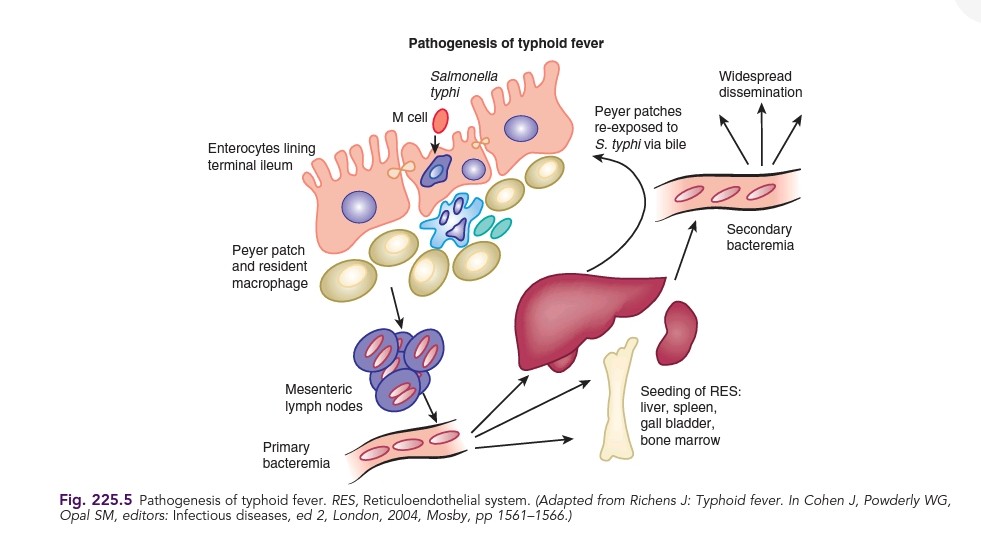
Typhoid fever occurs when a person ingests food or water contaminated with the Salmonella typhi bacteria. Once the bacteria enter the body, they multiply in the intestines and spread into the bloodstream.
Common causes include:
- Drinking or cooking with unsafe, untreated water
- Eating food handled by an infected person
- Poor sanitation and sewage disposal
- Unwashed fruits or vegetables grown in contaminated soil.
- Lack of hand hygiene after using the toilet or before meals
People living in areas with inadequate clean water systems are at higher risk.
Why Typhoid Fever Develops
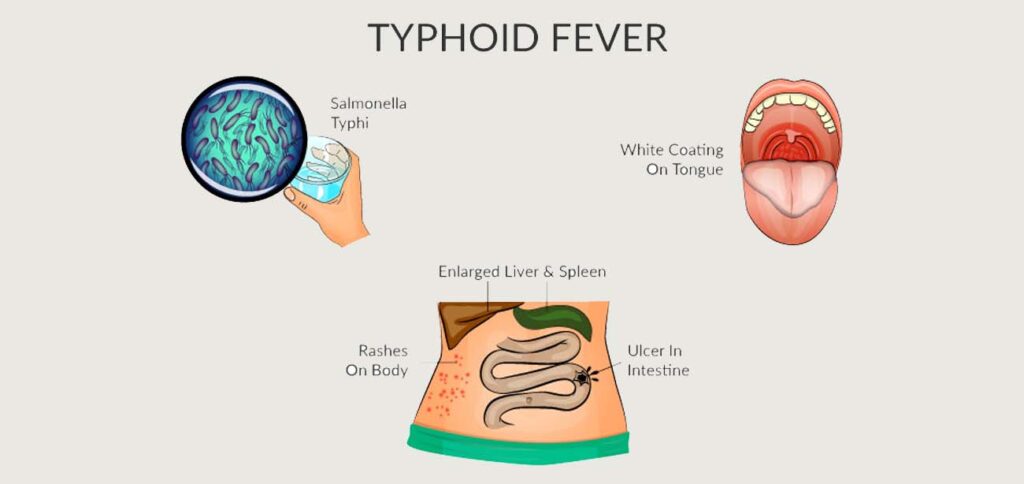
Typhoid fever primarily affects the digestive and circulatory systems, but its effects can reach multiple organs if untreated. The infection starts in the intestines, where the bacteria attack the intestinal walls, causing inflammation and ulcers. As the bacteria move into the bloodstream, they reach organs like the liver, spleen, gallbladder, and bone marrow, disrupting normal function. In severe or chronic cases, the bacteria may stay in the gallbladder, turning a person into a long-term carrier capable of spreading the infection even after recovery.
Where Typhoid Fever Hits the Body the Most
The effects of typhoid vary depending on the stage of infection and the strength of the immune system. In the early stages, patients usually experience fever, fatigue, headache, abdominal discomfort, and loss of appetite. As the infection progresses, the fever becomes persistent, sometimes rising above 104°F, and the person may develop constipation, diarrhea, or rashes on the abdomen and chest.
In untreated cases, the infection can lead to intestinal bleeding or perforation, causing severe pain and potentially life-threatening complications. The liver and spleen may become enlarged, while chronic cases may cause long-term weakness and recurring fever. If not treated in time, the bacteria can spread to other organs, leading to sepsis, dehydration, or brain inflammation (encephalitis).
What Recent Reports Reveal About Typhoid
According to the World Health Organization (WHO) and the Centers for Disease Control and Prevention (CDC), typhoid fever continues to affect millions each year. Globally, there are an estimated 9–12 million cases and about 1.2 lakh deaths annually.
In India, approximately 6–7 million cases are reported every year, mostly in areas with poor sanitation. Children between 5 and 15 years are most vulnerable. The emergence of drug-resistant strains (XDR Typhoid) has made treatment more difficult in recent years. WHO strongly recommends the Typhoid Conjugate Vaccine (TCV) as an effective preventive measure in high-risk regions.
| Category | Details |
|---|---|
| Annual Cases in India | 6–7 million cases every year |
| Most Affected Areas | Regions with poor sanitation & contaminated water |
| High-Risk Age Group | Children aged 5–15 years |
| Drug-Resistant Strains | Emergence of XDR Typhoid (Extensively Drug-Resistant) making treatment difficult |
| WHO Recommendation | Typhoid Conjugate Vaccine (TCV) recommended for high-risk regions |
Protecting Yourself from Typhoid Infection
Preventing typhoid requires a focus on clean water, hygiene, and vaccination.
Important preventive measures include:
- Drink boiled, filtered, or bottled water only.
- Avoid street food and raw salads washed in contaminated water.
- Wash your hands thoroughly before eating and after using the toilet.
- Maintain clean utensils and food preparation areas.
- Vaccinate yourself and children with the Typhoid Conjugate Vaccine (TCV).
- Avoid consuming ice cubes or unpasteurized milk from unsafe sources.
Proper hygiene and community awareness can greatly reduce the spread of typhoid.
A Supportive Routine for Faster Recovery
A well-planned routine during and after typhoid supports faster recovery and restores energy.
Diet & Care:
- Eat light, easily digestible food like soups, boiled rice, and khichdi.
- Stay hydrated with coconut water, buttermilk, and fresh fruit juices.
- Avoid spicy, fried, and high-fiber foods that irritate the intestines.
- Include curd and probiotics to improve digestion.
- Take small, frequent meals to maintain strength and energy.
Lifestyle:
- Take ample rest and avoid physical exertion.
- Maintain personal hygiene and avoid sharing utensils.
- Follow doctor-prescribed medications completely.
- Refrain from alcohol and caffeine until recovery is complete.
The Final Note on Managing Typhoid Wisely
In Ayurveda, typhoid is linked to Pitta imbalance and toxin (Ama) buildup in the digestive tract, leading to weak immunity and poor metabolism. Ayurvedic management focuses on detoxifying the system, restoring gut strength, and boosting natural immunity.
To support recovery and immunity, YTM India’s Sea Buckthorn Juice can play a vital role. It is rich in vitamin C, antioxidants, omega fatty acids, and amino acids, which help in:
- Strengthening the immune system
- Repairing intestinal and liver health
- Reducing inflammation and fatigue
- Restoring vitality and stamina
- Promoting better recovery post-infection
Leave a Reply