
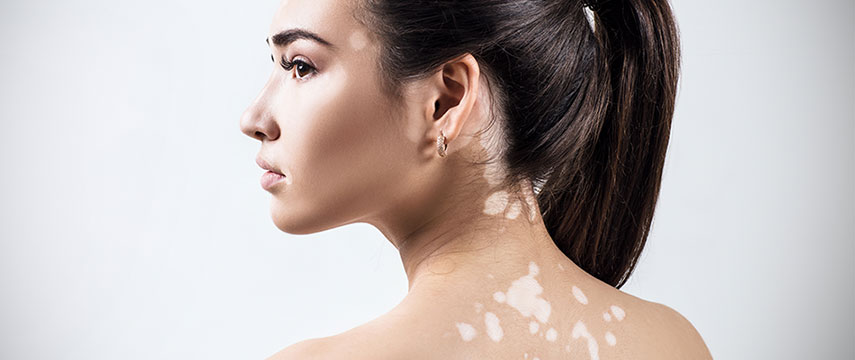
When Skin Pigment Begins to Fade
Vitiligo is a condition in which the skin loses its natural color due to the destruction or decreased activity of pigment-producing cells called melanocytes. This results in white or pale patches appearing on different parts of the body. These patches may slowly increase in size or spread over time. Vitiligo is not contagious and cannot spread through touch, but it can affect a person’s emotional confidence because it changes physical appearance.
What Triggers the Loss of Skin Pigmentation
Vitiligo mainly occurs due to an autoimmune imbalance, in which the immune system mistakenly attacks the body’s own pigment cells. In many individuals, the condition is also linked to stress, hormonal imbalance, genetic tendency, thyroid disorders, skin injuries, and nutritional deficiencies. Weak immunity and internal inflammation can trigger or worsen the spread of vitiligo patches.
The Skin Areas Most Affected by Vitiligo
Vitiligo affects the skin and the melanocyte pigment system. In some cases, hair growing over the affected area may also turn white due to loss of pigment. The internal immune system is indirectly involved, as its imbalance is a key factor driving the condition.
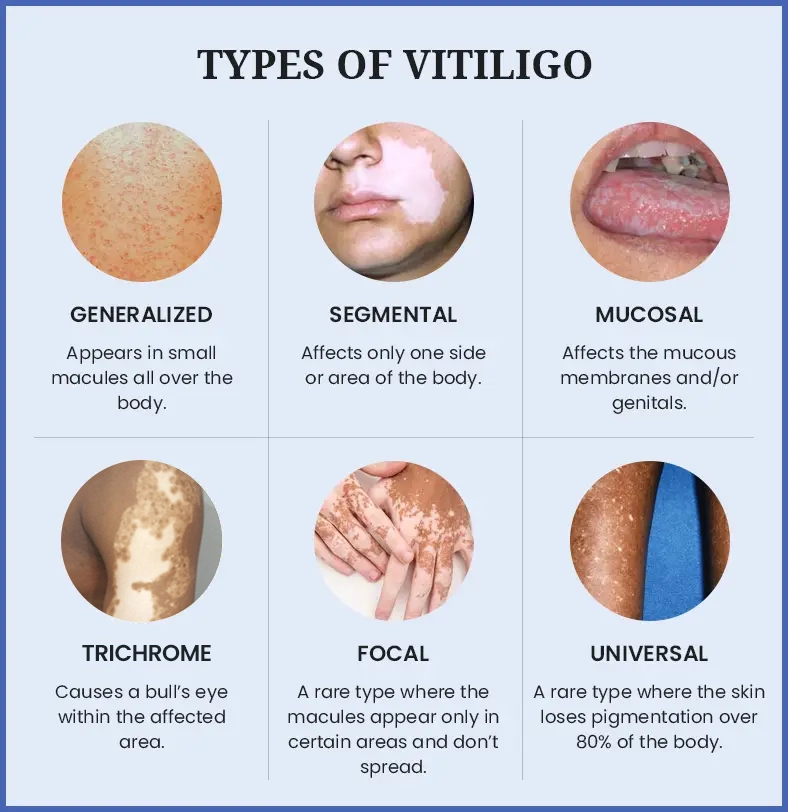
How Vitiligo Impacts Skin and Daily Life
Vitiligo itself does not cause pain or physical discomfort, but it can significantly affect self-esteem, emotional health, and social confidence. In some cases, patches may spread gradually, especially during periods of stress, illness, or immune weakness. Individuals may also become sensitive to sunlight in the affected areas.
What Recent Studies Reveal About Vitiligo Cases
| Pattern of Vitiligo | Appearance | Common Age Group | Trigger Factor |
| Segmental Vitiligo | One-sided patches | Children & young adults | Immune disturbance in nerve-related areas |
| Generalized Vitiligo | Patches on multiple body areas | All age groups | Stress, immunity imbalance, thyroid issues |
Leave a Reply